
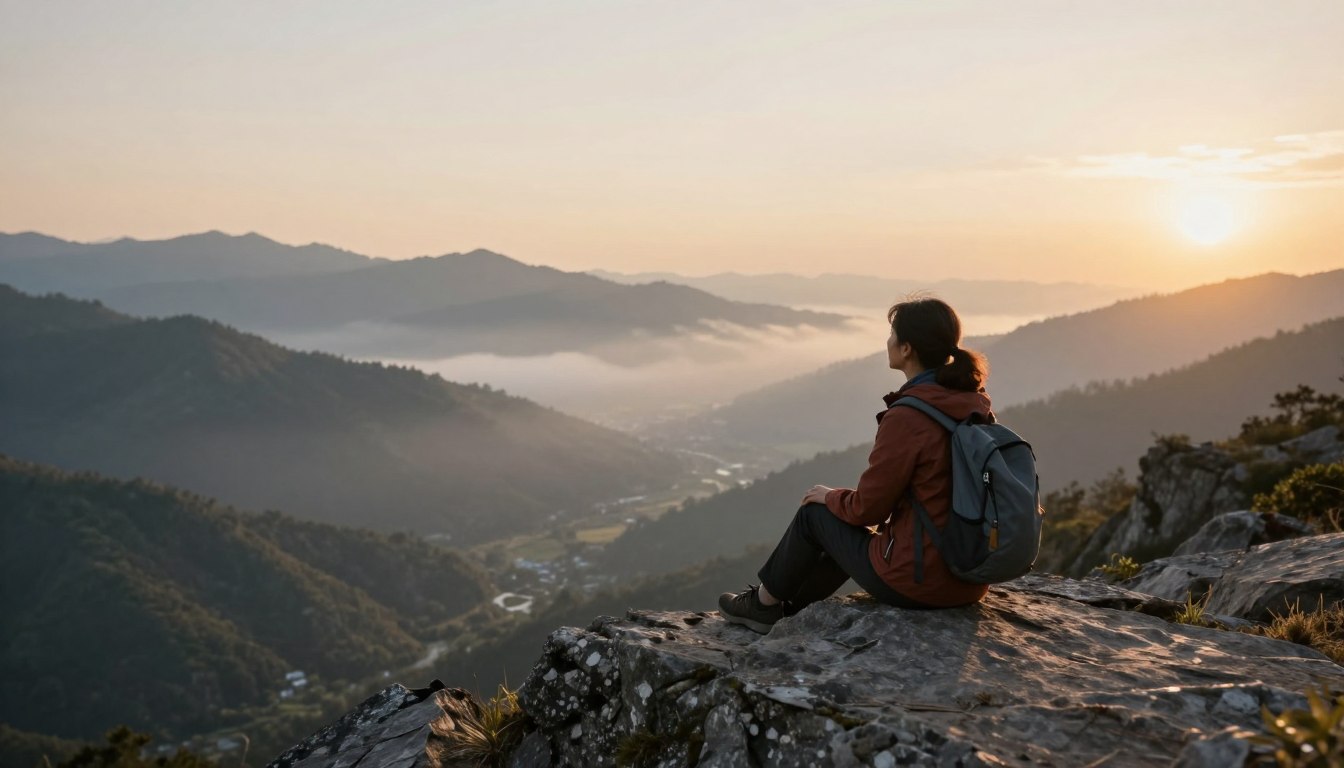
The best trips aren’t always marked on a map. They live in moments you didn’t plan for and feelings you carried home long after your suitcase was unpacked. While the travel world pushes bucket lists and must-see landmarks, something deeper calls to those of us who want more than checked boxes.
What if your next trip began not with a destination, but with a feeling? What if instead of asking “where should I go,” you asked “how do I want to feel?”
This shift changes everything. It transforms rushed itineraries into intentional experiences. It replaces the pressure to see everything with permission to truly experience something.
This post may contain affiliate links, including Amazon links. As an Amazon Associate, I earn a small commission from qualifying purchases at no additional cost to you.
Let’s explore how intentional travel reshapes the way we move through the world, one feeling at a time.
What Is Intentional Travel?

Intentional travel means choosing depth over breadth. It’s a purposeful approach that values experience above volume and presence over productivity. This way of traveling asks you to slow down rather than speed up.
At its core, intentional travel prioritizes how a place makes you feel rather than how many places you visit. You’re not racing through a list. You’re settling into moments that matter.
The approach stands in direct contrast to traditional vacation planning. Most trips follow a familiar pattern. Research every attraction. Pack the schedule. Move quickly from one sight to the next. Collapse exhausted at day’s end.
Intentional travel flips this script entirely. You visit fewer destinations but stay longer in each place. You build unstructured time into every day. You choose activities based on how they align with your emotional goals, not their popularity on social media.
The Core Principles of Intentional Travel
Several key principles guide this travel intention. First, you let go of the pressure to see everything. Every trip doesn’t need to hit every landmark. Missing the famous museum doesn’t diminish your experience.
Second, intentional travel values quality over quantity. Three meaningful experiences create more lasting memories than ten rushed photo stops. You remember the local coffee shop conversation more than the twelfth church you visited.
Third, this approach builds in margin. White space on your itinerary isn’t wasted time. It’s where spontaneity lives. It’s how you discover the hidden courtyard or strike up a conversation with locals who redirect your entire afternoon.
Why This Matters Now
Our world moves faster each year. We carry this urgency into our travels, treating vacation like another project to optimize. The result? We come home needing a vacation from our vacation.
Intentional travel offers an antidote. It recognizes that true restoration requires a different pace. Meaningful connection needs time to develop. Genuine adventure unfolds when you’re present enough to notice it.
This isn’t about judging how others travel. It’s about creating space for those of us who suspect there’s another way. For travelers who want to return home changed, not just photographed.
How to Choose a Trip Based on a Feeling

Your emotional state matters more than you might think when planning meaningful travel experiences. The feeling you’re seeking should guide every choice, from destination selection to daily rhythms.
Let’s break down four distinct emotional categories. Each offers a different path toward intentional travel. Find the feeling that resonates most with where you are right now.
Planning for a Cozy Feeling
Cozy travel wraps around you like a warm blanket. It’s about comfort, slower pace, and gentle exploration. This feeling calls to you when life has felt too fast or too loud.
The places that create this emotion share certain qualities. Think small towns with cobblestone streets. Neighborhoods where locals greet you by name after two days. Accommodations with fireplaces, reading nooks, and breakfast served at your own pace.
To structure your days around cozy, wake without an alarm. Spend mornings in cafes nursing a single cup of coffee. Walk aimlessly through quiet streets. Visit one small museum or gallery. Return to your lodging for an afternoon rest. Venture out for an early dinner at a neighborhood spot.
Examples of cozy destinations include countryside villages in France, small coastal towns in New England, mountain hamlets in Switzerland, or quiet neighborhoods in Kyoto. The key isn’t location. It’s scale and pace.
Planning for an Adventurous Feeling

Adventurous doesn’t mean reckless. In intentional travel, adventure means healthy challenge and new energy. It’s exploration with purpose rather than thrill-seeking for its own sake.
This feeling suits you when you’re ready to push gently beyond your comfort zone. When you want to feel alive in your body and engaged with unfamiliar cultures. When routine has made life feel small.
Adventurous intentional travel might include hiking regions where you can walk different trails each day. Cities where you don’t speak the language fluently. Activities that require learning new skills. Markets where you must navigate unfamiliar foods and customs.
Structure adventurous days with one challenging activity balanced by recovery time. Hike in the morning, rest in the afternoon. Explore an intense market experience, then retreat to familiar territory. Push yourself, then process what you’ve experienced.
Destinations that spark adventure while supporting intention include national parks with varied trails, vibrant international cities with strong public transit, regions known for specific outdoor activities like cycling or kayaking, and places where you can take classes or learn from local experts.
Planning for a Restorative Feeling
Restorative travel heals. It’s about nature, quiet, and allowing your nervous system to reset. This intention serves you when you’re depleted, overwhelmed, or simply ready to remember what calm feels like.
Restorative destinations share common threads. They offer access to nature without crowds. They provide spaces for silence and solitude. They support rather than demand your energy.
To plan restorative days, keep your schedule nearly empty. Wake naturally. Spend time near water or among trees. Bring a journal but don’t force yourself to write. Nap when tired. Eat simple, nourishing meals. Watch sunsets. Go to bed early.
Examples include remote beaches with minimal development, forest cabins, desert retreats, lakeside cottages, and mountain valleys. The common element is space, both physical and temporal, to simply be.
Planning for a Romantic Feeling

Romantic travel deepens connection. It creates beauty and shared wonder. This approach works for couples seeking to reconnect, but also for solo travelers wanting to fall in love with life again.
Romantic destinations emphasize aesthetics and intimacy. Beautiful architecture, stunning natural settings, excellent food, spaces designed for conversation and togetherness. Places that make you pause and appreciate.
Structure romantic days around shared experiences rather than packed itineraries. Long meals. Sunset walks. Markets where you select ingredients together. Quiet moments in beautiful spaces. Time to talk about what you’re seeing and feeling.
For couples, this might mean wine regions with vineyard stays, historic cities with charming hotels, coastal areas with spectacular views, or countryside retreats. For solo romantic travel, seek places that inspire wonder, art-rich cities, gardens, or landscapes that take your breath away.
How to Plan an Intentional Trip: Simple Steps
Planning intentional travel requires a different approach than standard vacation research. You’re not building an itinerary. You’re creating conditions for the feeling you seek. These practical steps help translate emotional goals into concrete plans.
Choose Fewer Destinations
The single most powerful decision for intentional travel is visiting fewer places. Most travelers default to cramming multiple cities into one trip. This creates surface-level experiences and constant transition stress.
Instead, choose one or two locations maximum for trips under two weeks. For example, spend a full week in one region rather than splitting it among three cities. Stay in a single neighborhood rather than changing hotels every two nights.
This approach contradicts conventional travel wisdom. You might worry about wasting the opportunity to see more. But depth creates meaning. Three weeks in Tuscany builds richer memories than three days each in seven Italian regions.
Fewer destinations also reduce logistical stress. Less time packing and unpacking. Fewer transit days. Lower chance of missed connections or lost luggage. More energy for actual experiences.
Stay Longer in Each Place

Duration changes everything. Four nights in one place allows a rhythm that two nights never can. You learn the best morning coffee spot. You recognize faces. You know which streets to take and which to avoid during rush hour.
Plan to stay minimum three to four nights in any location, preferably longer. A week in one place isn’t too long. It’s barely enough time to scratch the surface of local life.
Extended stays also improve your travel economics. Weekly apartment rentals cost less per night than hotels. You can shop at local markets and prepare some meals. You’re not eating every meal at tourist-priced restaurants.
This extended time lets you move beyond the obvious attractions. On day one, you see the famous sights. By day four, you’re discovering the neighborhood park where locals walk their dogs. By day seven, you’ve found the quiet cafe where old women meet every afternoon.
Build In Unstructured Time
Empty space on your calendar isn’t a bug. It’s a feature. Unstructured time allows spontaneity, rest, and absorption of experiences.
For every planned activity, build in equal unstructured time. If you schedule a morning hike, leave the afternoon open. If you book a cooking class one day, keep the next day free.
This margin creates breathing room. You can linger at breakfast without rushing to the next thing. You can follow a recommendation from a local without rearranging your whole day. You can simply rest when you’re tired.
Unstructured time also allows emotional processing. Travel brings up feelings. New experiences need time to integrate. If you’re constantly moving, you never digest what you’re experiencing. You just accumulate activities.
Focus on Experiences, Not Checklists
Shift your planning from “things to see” to “ways to experience.” This subtle change transforms your entire trip. Instead of listing museums, identify how you want to engage with local culture.
Rather than “see the Louvre,” think “spend a morning with art.” Instead of “visit farmer’s market,” consider “learn about local food.” The activities might look similar, but the intention changes how you show up.
Limit yourself to one or two planned experiences per day maximum. This sounds radical if you’re used to packed itineraries. But it’s liberating in practice. One meaningful experience beats five rushed ones.
Some days can have zero planned activities. These often become your favorite days. The day you stumbled into a local festival. The afternoon you spent reading in a park. The evening you got delightfully lost and found an incredible restaurant.
Travel Essentials That Support a More Intentional Experience

The items you pack shape your travel experience more than you realize. Intentional travel calls for purposeful choices. Not minimal for minimalism’s sake, but curated to support the feeling you’re seeking.
A Travel Journal for Presence
A journal grounds you in the present moment. It creates space for reflection rather than just documentation. Unlike photos that capture what something looked like, journaling records how it felt.
You don’t need elaborate entries. Simple observations work beautifully. The smells and sounds of the morning market. The taste of your first meal in a new place. A conversation that surprised you. These details fade quickly without recording.
A quality journal that feels good in your hands encourages regular use. Choose one that fits easily in a day bag. Leather covers age beautifully with travel. Thick paper handles different pens without bleeding.
Morning journaling sets a reflective tone for each day. Evening entries help process experiences before sleep. You’ll treasure these records far more than most photographs.
A Simple Carry-On Setup
Light packing liberates intentional travel. When everything fits in a carry-on, you move through airports with ease. No checked bag anxiety. No waiting at luggage carousels. Just smooth transitions that preserve your energy for actual experiences.
Consider a simple travel essential that helps you stay organized and present during your trip. Quality organization systems transform how you pack and access your belongings.
The right packing setup does more than organize clothes. It reduces decision fatigue. When you pack intentionally, you spend less time thinking about what to wear. This mental space becomes available for noticing your surroundings.
Choose versatile pieces that layer well. Neutral colors that mix easily. Comfortable shoes you can wear all day. Fabrics that resist wrinkles and wash easily in sinks. Each item should earn its place in your bag.
Comfortable, Versatile Clothing

Intentional travel favors comfort that doesn’t sacrifice style. You want to blend with locals, not stand out as obviously tourist. But you also need to feel good in what you’re wearing for long days of exploration.
Natural fabrics breathe better and feel more comfortable across different climates. Merino wool regulates temperature. Linen keeps you cool but looks polished. Quality cotton moves with you without restricting.
Build a travel wardrobe around a single color palette. Everything should work with everything else. Three tops, two bottoms, and one dress or additional layer create numerous outfit combinations. Add one nice outfit for special dinners or events.
Footwear matters enormously. Your shoes should support hours of walking without pain. Break them in thoroughly before your trip. Bring two pairs maximum so you can alternate days and allow shoes to dry if they get wet.
Small Items That Create Comfort
Certain small comforts transform unfamiliar spaces into temporary homes. These items take minimal space but significantly impact your experience.
A good book provides companionship during quiet moments. Choose something aligned with your travel intention. Restorative travel might call for poetry or gentle fiction. Adventurous travel might suit travel narratives or local history.
A curated playlist matches music to your emotional goals. Calming tracks for restorative travel. Upbeat discoveries for adventurous trips. Romantic instrumentals for connection-focused journeys. Download music before you go so you’re not dependent on wifi.
Other comfort items might include your preferred tea or coffee if you’re particular, a small speaker for music in your room, earplugs and an eye mask for quality sleep, or a lightweight scarf that serves as blanket, pillow, or wrap depending on need.
Pack a small photo or memento that grounds you. Something that reminds you of home without making you homesick. This creates continuity between your regular life and your travels.
Letting Go of “Perfect Travel”: The Mindset Shift

The pursuit of perfect travel undermines intentional travel. When you’re chasing an ideal, you miss what’s actually happening. The mindset shift toward intentional travel requires releasing several common assumptions about how trips should unfold.
Travel Doesn’t Need to Be Packed to Be Meaningful
We’ve internalized the belief that good travel is busy travel. That coming home exhausted proves you maximized your time. That empty space on the itinerary represents wasted opportunity.
This productivity mindset bleeds into vacation and drains the joy from experiences. You’re not on a business trip. You don’t need to optimize every hour. The point isn’t to see more things. It’s to feel something real.
Your most memorable trip moments probably weren’t the famous attractions anyway. They were unexpected conversations, perfect meals discovered by accident, quiet mornings in cafes, or walks without destination. These happen in the margins, not the packed schedule.
Give yourself permission to do less. Spend an entire afternoon in one park. Return to the same restaurant three times if you love it. Skip the museum everyone says you “must see” if it doesn’t align with your intention.
Slower Often Feels Better
Speed kills presence. When you’re rushing from one thing to the next, you’re never fully anywhere. You’re already thinking about the next stop while standing in front of the current sight.
Slower travel creates space for noticing. You observe details that rushed visitors miss. The way light changes throughout the day in the same place. How different people use the same public space. The rhythm of local life beyond tourist hours.
This pace also allows genuine interaction with locals. Quick visits rarely create opportunities for real conversation. But when you’re a regular at the morning bakery for a week, people start to talk. They make recommendations. They share stories. You become a temporary neighbor rather than a passing tourist.
Slower travel reduces the constant low-level stress of logistics. You’re not perpetually checking times, making reservations, or figuring out transportation. You know your way around. You have routines. This familiarity paradoxically opens you to new experiences.
Presence Matters More Than Productivity

Intentional travel prioritizes being over doing. Your success isn’t measured by attractions visited or photos taken. It’s measured by how you felt and what you noticed along the way.
This requires actively resisting productivity culture. When the voice in your head says you’re wasting time, question it. Sitting in a plaza watching people isn’t wasting time. It’s exactly the point.
Presence means putting the phone away more often. Not for every moment, but for enough moments that you’re experiencing life directly rather than through a screen. Take fewer photos. Make the ones you take more intentional. Then put the camera away and just look.
Notice your senses. What does this place smell like? What sounds dominate? How does the air feel? What tastes are new? These sensory details create lasting memories that photographs can’t capture.
When something isn’t going according to plan, pause before reacting. The missed train might lead to your favorite day. The restaurant that’s fully booked might redirect you somewhere better. Imperfection often gifts us with stories.
Releasing the Social Media Pressure
Social media has warped travel. We plan trips around photo opportunities. We visit places because they’re photogenic, not because they align with our intentions. We perform our travels for an audience instead of living them for ourselves.
Intentional travel requires opting out of this performance. You can share your experiences if you want, but share them because they matter to you, not because you think they’ll impress others.
Some of your best travel experiences won’t photograph well. The conversation that changed your perspective. The moment of peace you felt watching sunset. The kindness from a stranger. These don’t create engaging content, but they’re often what we treasure most.
Consider taking a break from posting during your trip. Experience everything first. Share later if you want, but remove the pressure to document for others in real time. This allows you to be fully present without the constant internal narration of “how will I describe this online?”
Your Next Journey Begins With a Feeling

The trips that stay with you aren’t always the ones that looked best on paper. They’re the ones where you felt something true. Where you connected with a place, a person, or a version of yourself you’d forgotten existed.
Intentional travel offers a different path. One that values depth over breadth, feeling over checking boxes, presence over productivity. It’s not about traveling more. It’s about traveling better, in whatever way “better” means for you right now.
Before you plan your next trip, pause. Ask yourself how you want to feel. Do you need restoration? Are you seeking adventure? Craving connection? Longing for cozy comfort? Let that feeling guide every choice that follows.
Choose your destination based on that emotion. Select fewer places and stay longer. Build in unstructured time. Release the pressure to see everything. Trust that going slower often takes you further.
Pack with purpose. Bring items that support your intention. Leave room in your luggage and your schedule. Remember that the best travel experiences often happen in the spaces between planned activities.
Your next journey is waiting. Not in a specific destination, but in the feeling that calls to you. Listen to that call. Plan around it. Then go experience travel that stays with you long after you’ve returned home.
Ready to Plan Your Next Intentional Journey?
Start by choosing your feeling. Then let that emotion guide you toward the trip that will truly restore, inspire, or transform you.