
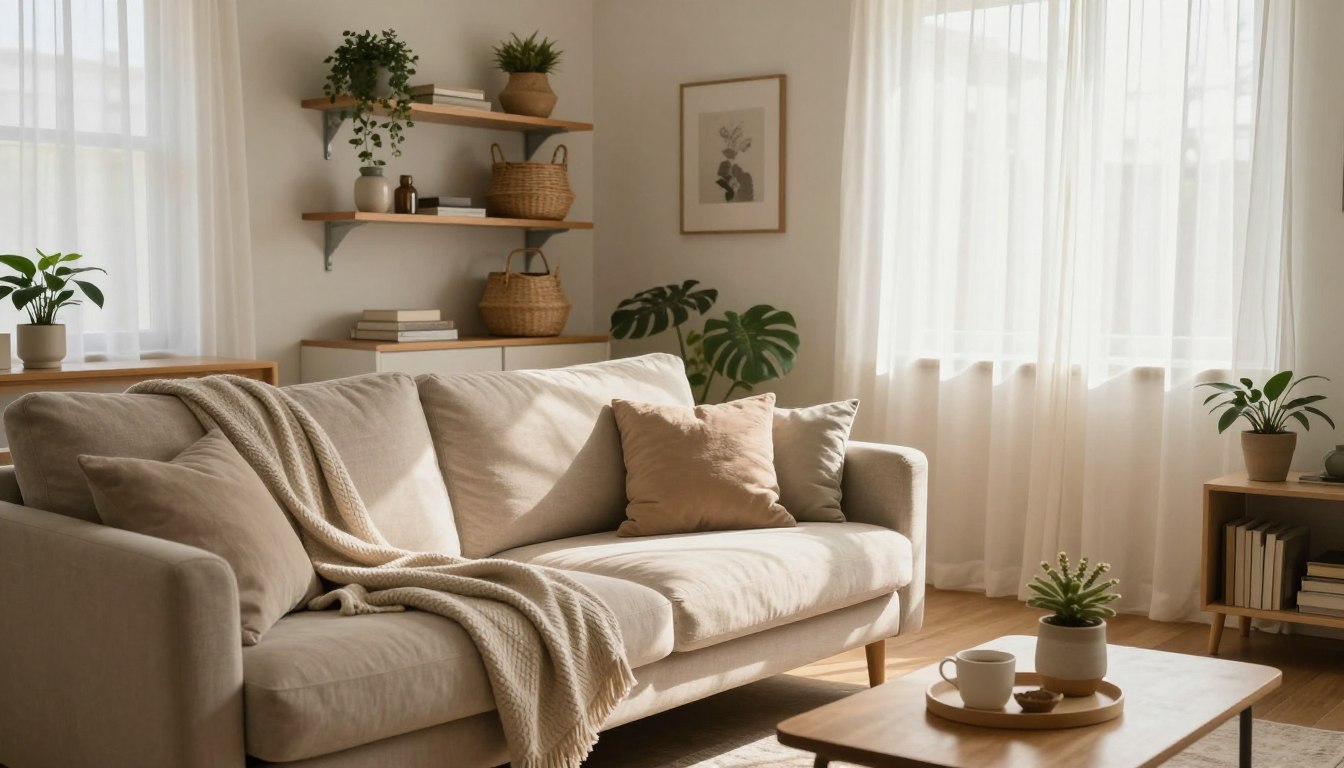
You’ve seen those perfect pantries with matching containers. You’ve scrolled past spotless playrooms where every toy has a labeled bin. And maybe you’ve felt that familiar weight in your chest—the sense that your home doesn’t measure up.
Here’s the truth: most organization advice wasn’t designed for real life. It was designed for pictures.
Clean and organized living doesn’t have to mean perfection. It doesn’t require spending hours labeling everything or maintaining systems that break down the moment life gets busy. What if your home could be organized enough to function smoothly, clean enough to feel peaceful, but soft enough to actually live in?
That’s what this approach is about. Systems that support your day instead of controlling it. Spaces that breathe with you instead of demanding constant upkeep. A home that feels calm without requiring you to be perfect.
A Quick Note: Throughout this article, I’ll share specific tools and products that genuinely help create sustainable organization. These are Amazon affiliate links—meaning I earn a small commission from purchases at no extra cost to you. I only recommend items I believe make home organization systems more realistic and easier to maintain.
What “Clean & Organized (But Softer)” Really Means

Traditional home organization systems often feel rigid. They demand that everything has one specific place. They require constant maintenance. They make you feel guilty when life happens and things get messy.
Softer organization works differently.
Organization That Supports Life, Not Controls It
Your home should work for you. Not the other way around. That means creating systems that bend when you need them to. A drop zone by the door where things can land temporarily. Bins that catch items between their proper homes. Space for life to happen.
When you build flexibility into your organization, you stop fighting against natural behavior. You work with how you actually move through your space.
Systems That Are Easy to Maintain
The best system is the one you’ll actually use next week. And next month. And next year. That usually means simple beats complicated. Visible beats hidden. Fast beats perfect.
If putting something away takes more than one step, you probably won’t do it consistently. That’s not a character flaw. That’s just being human.

Letting Go of Perfection and Embracing Lived-In Beauty
A cozy organized home has signs of life. Books stacked on the coffee table. A throw blanket draped over the couch. Kitchen counters that get used for actual cooking.
Perfection is cold. Lived-in is warm. Your goal isn’t a house that looks untouched. It’s a house that feels good to be in.
High-Impact Areas to Simplify First
You don’t need to organize your entire house at once. Start with spaces that touch your day most often. These are the areas where small changes create outsized calm.

Kitchen Counters: Your Daily Command Center
Clear counters change how your kitchen feels. Not empty counters—clear. The difference matters. You can keep your coffee maker and knife block. Just give every surface item a purpose.
The goal is cleaning space. Room to prep food without moving things around first. Room to set down grocery bags. Room to actually use your kitchen.
Simple Organization Ideas
Create zones on your counters. Coffee station in one corner. Cooking tools near the stove. Everything else goes in cabinets or drawers. Use drawer organizers to keep utensils from becoming a tangled mess.
Store items where you use them. Dishes near the dishwasher. Spices near the stove. Cutting boards by your prep area. This single principle eliminates so much daily friction.


Realistic Maintenance Tips
Reset your kitchen counters once a day. Not deep clean—just put things back in their zones. Takes five minutes max. Do it while coffee brews or while dinner cooks.
Keep your most-used cleaning supplies under the kitchen sink. Quick access means you’ll actually wipe down surfaces as you go.
Kitchen Organization Essentials
These simple tools make kitchen organization actually stick—drawer dividers that keep utensils sorted and clear containers that let you see what you have at a glance.
Entryway: Creating a Functional Drop Zone

Your entryway catches everything that comes into your house. Keys, shoes, bags, mail, coats. If this space isn’t organized, clutter spreads into every room.
The solution isn’t perfection. It’s containment. Give incoming items a temporary home before they migrate to final destinations.
Simple Organization Ideas
Install hooks at different heights if you have kids. Low hooks they can reach, higher hooks for adult things. Every person gets their own hook. Simple rule, easy to follow.
Use large woven baskets for shoes instead of a shoe rack. Faster to toss shoes in a bin than line them up neatly. Choose function over appearance when it matters.
Add a small tray or bowl for keys and sunglasses. One landing spot for small items that disappear easily. Check this spot first when you’re looking for something.
Realistic Maintenance Tips
Do a quick sweep of your entryway every few days. Shoes back in bins. Jackets on hooks. Takes two minutes. Prevents the avalanche that happens when you ignore it for weeks.

Bathroom: Streamlined Surfaces and Smart Storage
Bathroom counters collect products like magnets. Makeup, skincare, hair tools, medications. Before you know it, there’s no room to actually use the space.
Most people only use a fraction of what’s sitting out. The rest just creates visual noise.
Simple Organization Ideas
Keep only daily-use items on the counter. Everything else goes in drawers or cabinets. If you don’t use it every single day, it doesn’t earn counter space.
Use drawer dividers to separate categories. Makeup in one section. Skincare in another. Hair ties and clips in a small container. Expandable drawer organizers adjust to fit any drawer size.
Add a lazy susan under the sink for cleaning products and extra toiletries. Makes everything accessible without digging. Especially helpful for deep cabinets.


Realistic Maintenance Tips
Wipe down your bathroom counter while you brush your teeth. Seriously. Keep a cleaning cloth in the bathroom and do a quick wipe during that two-minute window. Surface stays clean without dedicated cleaning time.
Every few months, pull everything out of your bathroom storage. Toss expired medications and dried-up products. This single habit prevents accumulation.
Closet: Clothes That Work for Your Life

Your closet should contain clothes you actually wear. Not clothes from three sizes ago. Not things you keep “just in case.” Not impulse purchases that never felt right.
A functional closet makes getting dressed easier. You can see what you have. Everything fits. Most items get worn regularly.
Simple Organization Ideas
Organize clothes by category, then by color within each category. All shirts together. All pants together. This system makes it easy to find specific items quickly.
Use matching hangers. Not for aesthetics—for function. Uniform hangers maximize space and clothes don’t slip off. Velvet hangers are thin, non-slip, and actually make a difference.
Store off-season clothes elsewhere. Winter coats don’t need prime closet space in July. Use under-bed storage containers or vacuum-seal bags to rotate seasonal items.
Add shelf dividers for stacked clothes. Prevents the avalanche when you pull out one sweater. Keeps folded stacks actually stacked.
Realistic Maintenance Tips
Try the hanger trick. When you wear something, return it to the closet with the hanger facing backward. After a few months, you’ll see exactly what you never touch. Those are candidates for donation.
Do a quick closet edit every season. Pull items that don’t fit, don’t feel good, or don’t match anything. You don’t need a full closet overhaul. Just consistent small edits.

Creating Simple Systems That Actually Stick
Systems sound complicated. They’re not. A system is just a repeatable way of doing something. The simpler your systems, the longer they last.

Drop Zones: Homes for Transitional Items
Life is full of things in transition. Library books that need to go back. Forms that need signatures. Shoes you wore today but will wear again tomorrow. These items need temporary homes.
Drop zones contain transitional clutter. They give you permission to not put everything away immediately. But they also prevent things from spreading everywhere.
Create a drop zone near your main entrance. A basket or bin for items that need to leave the house soon. A hook for tomorrow’s jacket. A spot for shoes you’ll wear again.
Add another drop zone in your kitchen for papers. Mail, school papers, receipts. Give yourself a few days to process paper instead of dealing with every piece immediately. Then clear it out once or twice a week.
One-Touch Rules: Minimize Handling
Every time you touch an item and put it down somewhere temporary, you create future work. The mail you set on the counter. The jacket you drape over a chair. The shoes you leave by the couch.
One-touch means putting things in their actual homes the first time when possible. Not always. But when it’s just as easy to put something away as it is to set it down temporarily, choose the first option.
This habit eliminates the “I’ll deal with that later” piles that multiply across surfaces.
Visible Storage vs. Hidden Storage


Out of sight, out of mind works against organization. If you can’t see something, you forget you have it. Then you buy duplicates. Or you never use what you own.
Visible storage keeps things functional. Open bins where you can see contents. Clear containers for pantry items. Hooks instead of closed closets for daily-use coats and bags.
Balance visibility with aesthetics. Use attractive baskets and bins that look good sitting out. Natural woven storage baskets work in almost any room and keep contents visible enough to remember what’s inside.
Keeping Systems Flexible
Your life changes. Kids grow. Jobs change. Hobbies come and go. Systems that worked last year might not work now. That’s normal.
Build flexibility into your organization from the start. Use bins and baskets instead of permanent built-ins. Labels you can change. Storage that moves with your needs.
Give yourself permission to adjust systems that stop working. That’s not failure. That’s adaptation.
Flexible Organization Tools
These versatile storage solutions work throughout your home and adapt as your needs change—making it easy to maintain organized spaces without starting over.
A Realistic Cleaning Rhythm (Not a Perfect Schedule)

Cleaning schedules fail because life doesn’t follow schedules. Sick kids, busy work weeks, unexpected events—they all derail perfect plans. Instead of a rigid schedule, create a flexible rhythm.
Daily Resets: Five to Ten Minutes of Maintenance
Daily resets aren’t deep cleaning. They’re quick tidying that prevents buildup. Five to ten minutes where you reset main spaces to functional.
Evening reset might include: running the dishwasher, wiping kitchen counters, quick sweep of main floor, putting shoes in bins. That’s it. Just enough to start tomorrow in a clean space.
Morning reset might be: making the bed, clearing bathroom counter, putting yesterday’s clothes in the hamper. Creates a calm start to your day.
Keep cleaning tools accessible. A cordless vacuum you can grab quickly gets used more than one that lives in a closet. Microfiber cloths in every room make wiping surfaces effortless.

Weekly Focus Areas: Rotating Attention
You don’t need to deep clean your whole house every week. Instead, rotate focus areas. This week maybe bathrooms get extra attention. Next week, bedrooms. The week after, kitchen deep clean.
Rotating focus means everything gets attention regularly, but you’re never overwhelmed trying to do everything at once. Pick one room or task per week.
Letting Some Things Go
Not everything needs to be cleaned on a schedule. Baseboards can wait. Light fixtures can wait. Windows can wait. These tasks happen a few times a year, not weekly.
Perfectionist cleaning creates burnout. Prioritize the surfaces and spaces you use most. Let the rest be good enough.


Creating Routines That Match Real Life
When do you actually have time to clean? Not when some blog post says you should. When your actual schedule allows.
Maybe you clean Sunday mornings. Maybe you do ten minutes before bed each night. Maybe Saturday afternoons work best. Build your cleaning rhythm around your real life, not someone else’s ideal.
The best cleaning routine is the one you can maintain during regular weeks and busy weeks. If it only works when life is calm, it doesn’t actually work.
Make Cleaning Easier
The right cleaning tools turn a chore into a quick task. A quality vacuum you can grab without hassle and multi-surface cleaners that actually work make maintenance realistic.
Making Your Home Feel Calm, Not Just Clean

Organization creates function. But atmosphere creates feeling. A truly calm home needs both. You want spaces that work well and feel good to be in.
Soft Lighting: Transforming Any Space
Harsh overhead lights make even clean rooms feel cold. Soft lighting creates instant warmth. It’s one of the fastest ways to change how a space feels.
Use table lamps instead of overhead lights in the evening. Add a dimmer switch to main rooms. Keep lighting warm-toned rather than cool white. Your home immediately feels cozier.
Battery-operated LED candles add ambiance without fire risk. Put them on timers so they turn on automatically each evening. Creates a welcoming atmosphere without effort.
Neutral Tones and Textures: Creating Visual Calm
Busy patterns and bright colors can feel energizing. They can also feel chaotic. Neutral doesn’t mean boring. It means restful.
Layer different textures in similar tones. A chunky knit throw. Linen pillows. A jute rug. Wood tones. These create depth and interest without visual noise.
You don’t need to replace everything. Add neutral elements gradually. A soft throw blanket over your couch. Neutral baskets for storage. Natural fiber placemats on your table. Small changes shift the whole feeling.


Scent: The Invisible Atmosphere Creator
Scent affects mood more than most people realize. A good-smelling home feels cleaner, calmer, more welcoming. Even when there’s clutter, pleasant scent improves the whole experience.
Choose scents that feel natural and subtle. Eucalyptus, lavender, vanilla, cedar. Avoid anything artificial or overwhelming. You want to notice scent when you walk in, then have it fade to background.
Use essential oil diffusers for consistent scent without flame. Or burn soy candles when you’re home. Layer scents through the house—similar tones in different rooms creates cohesive atmosphere.
Small Styling Touches: Personality Without Clutter
You don’t need a magazine-perfect home. But small thoughtful touches make spaces feel intentional. A vase with fresh greenery. Books stacked on the coffee table. A bowl that holds everyday items but looks nice doing it.
Choose a few items you love and display them. Rotate them seasonally if you want variety. Quality over quantity creates impact without clutter.
Plants add life to every room. They don’t have to be fancy. A simple pothos in a neutral planter or a snake plant in the corner. Green brings calm.

Letting Go of Perfection (The Mindset Shift)

Here’s what nobody tells you about home organization: the goal isn’t perfection. It never was. The goal is creating a home that supports your actual life.
Your Home Is Meant to Be Lived In
Homes in magazines look perfect because nobody lives there during the photo shoot. Real homes have signs of life. Dishes in the sink sometimes. Toys on the floor. A pile of mail. That’s not failure. That’s living.
Clean and organized living means functional. It means you can find what you need. It means spaces don’t stress you out. It doesn’t mean empty or untouched.
Give yourself permission to have a home that gets used. That’s exactly what it’s there for.
Progress Over Perfection
Organization is not a destination you reach and then you’re done. It’s an ongoing practice. Some weeks your home looks great. Other weeks it doesn’t. Both are normal.
Progress means small improvements over time. One organized drawer is progress. A functional drop zone is progress. A realistic cleaning rhythm is progress. You don’t need to transform everything at once.
Celebrate the small wins. Notice when something works better than it used to. That’s the real measure of success.
Creating a Home That Feels Good, Not Just Looks Good
At the end of the day, you live in this space. Your family lives here. The way it feels matters more than how it looks to anyone else.
Some homes photograph beautifully but feel uncomfortable to actually be in. Other homes look lived-in but feel peaceful and welcoming. Choose feeling over appearance every time.
Trust your own sense of what makes a space calm for you. If minimalism feels cold, add more warmth. If visible storage stresses you out, use more cabinets. Your home should match your nervous system, not someone else’s aesthetic.
“A perfect home is an illusion. A peaceful home is a choice.”
Starting Your Softer Approach to Clean and Organized Living

You don’t need to overhaul your entire home this weekend. You don’t need to buy a bunch of new storage containers or spend hours creating perfect systems.
Start small. Pick one space that bothers you most. Maybe it’s your kitchen counter. Maybe it’s the entryway. Maybe it’s the bathroom drawer that won’t close anymore.
Choose one simple system from this article and try it for a week. See how it feels. Adjust if needed. Add another system when you’re ready.
Clean and organized living isn’t about reaching some perfect finish line. It’s about creating daily rhythms that support you. Systems that make life easier instead of harder. Spaces that feel calm because they’re functional, not because they’re flawless.
Your home doesn’t need to look like a magazine. It needs to work for your real life. It needs to be a place where you can breathe. Where you can find what you need. Where you feel peaceful instead of pressured.
That’s the softer approach. And it’s completely possible, starting right now.
Ready to Create Your Calm, Organized Home?
Start with the tools that make the biggest difference. Simple storage solutions and cleaning essentials that actually fit into real life—no perfection required.
Your Next Step: Choose one small area in your home today. Just one drawer, one shelf, one counter. Spend 15 minutes making it more functional. That’s how lasting change begins—not with perfect plans, but with small, sustainable actions.