
In a world obsessed with checking destinations off lists and cramming itineraries with must-see attractions, there’s a quiet revolution happening. Slow travel—the art of experiencing places deeply rather than broadly—is transforming how thoughtful travelers approach their journeys. This isn’t about racing through tourist hotspots or collecting passport stamps. It’s about creating a sustainable travel lifestyle that prioritizes comfort, personal rhythm, wellness, and genuine joy.
When we travel slowly, we give ourselves permission to sink into the authentic rhythm of a place. We trade the exhaustion of overpacked schedules for the richness of chance encounters and unexpected discoveries. We return home refreshed rather than depleted, carrying stories and connections rather than just souvenirs and photographs.
The following ten destinations aren’t just places to visit—they’re invitations to experience travel as it was meant to be: a natural extension of your best life, not an escape from it. Each offers unique opportunities to embrace the slow travel philosophy while honoring your real-world needs for comfort, connection, and meaningful experiences.
1. Kyoto, Japan: Where Ancient Rhythms Meet Modern Mindfulness
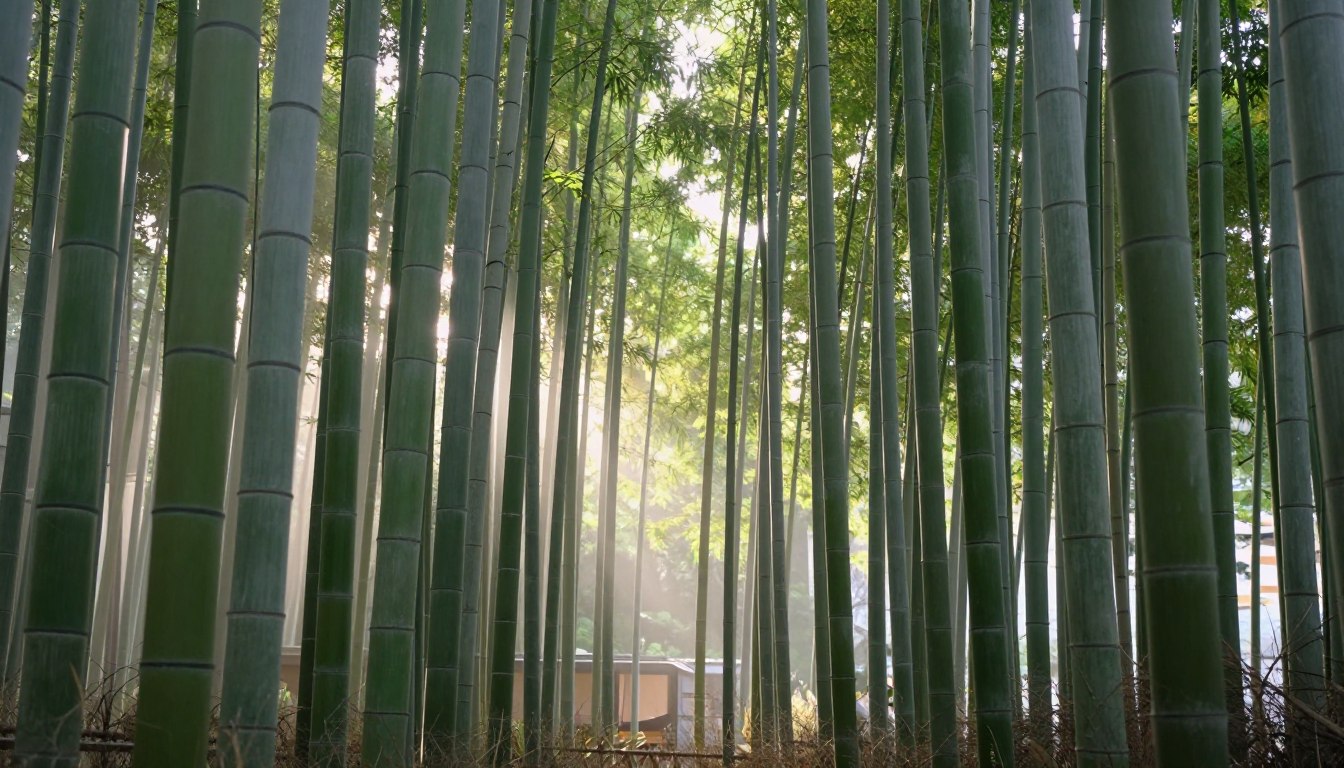
The tranquil Arashiyama Bamboo Grove in early morning, before the crowds arrive
Kyoto embodies the essence of slow travel with its perfect balance of contemplative spaces and vibrant street life. Unlike Tokyo’s frenetic energy, Kyoto invites you to adjust to its gentler cadence. Here, ancient temples neighbor sleek coffee shops, and centuries-old traditions coexist with contemporary wellness practices.
What makes Kyoto ideal for lifestyle travel is its walkability and the way Japanese culture naturally embraces mindfulness. Morning temple visits before the crowds arrive, afternoon tea ceremonies, and evening strolls along the Philosopher’s Path create a natural rhythm that feels both restorative and enriching.
Perfect For:
- The Mindful Explorer who appreciates contemplative spaces
- The Slow Foodie seeking authentic kaiseki dining experiences
- The Cultural Immersionist looking to understand traditional Japanese arts
Must-See Sights (Not a Checklist):
- The northern Arashiyama district early in the morning, when the bamboo grove is at its most magical and least crowded
- The backstreets of Gion, where apprentice geishas hurry to appointments and tiny specialty shops operate as they have for generations
- The lesser-known temples like Tofuku-ji, where you can often find moments of solitude even during peak season
Ideal Visiting Season:
Late autumn (November) when the maple leaves turn crimson, or early spring (March) just before cherry blossom season brings the crowds. Both offer comfortable temperatures and spectacular natural beauty without peak tourism pressure.
2. Tuscan Countryside, Italy: Living the Agrarian Rhythm

A traditional Tuscan farmhouse surrounded by the region’s iconic rolling hills and cypress trees
Tuscany has mastered the art of unhurried living long before “slow travel” became a movement. Staying in an agriturismo—a working farm that welcomes guests—offers a window into a lifestyle governed by seasons rather than schedules. Here, meals are events to be savored, afternoons are for rest, and evenings stretch languidly into starlit conversations over local wine.
The Tuscan approach to life embodies the slow travel philosophy perfectly: quality over quantity, pleasure in simplicity, and deep connection to place. By basing yourself in one location for at least a week, you’ll discover the subtle changes in light across the landscape, befriend local shopkeepers, and perhaps even join in seasonal activities like olive harvesting or grape picking.
Perfect For:
- The Culinary Explorer who wants to understand food from soil to table
- The Slow Scenery Lover who appreciates landscapes that unfold gradually
- The Wellness Seeker looking for a natural reset button
Must-See Sights (Not a Checklist):
- The smaller hill towns like Pienza or Montepulciano, where you can wander without an agenda
- Local farmers’ markets, where producers proudly display generations of agricultural knowledge
- A family-run vineyard for a tasting that’s more conversation than commercial experience
Ideal Visiting Season:
May-June or September-October offer perfect temperatures, abundant produce, and fewer tourists than summer. These shoulder seasons let you experience Tuscany as locals do, without the heat or crowds that can detract from its natural rhythm.
3. Oaxaca, Mexico: Cultural Immersion at a Human Pace

Morning light illuminates the colorful colonial architecture of Oaxaca’s historic center
Oaxaca offers a masterclass in how to travel deeply rather than widely. This cultural heartland of Mexico rewards those who linger with layers of experience that tourists passing through simply miss. The city’s walkable center, with its colonial architecture and tree-lined zócalo (central square), creates natural opportunities for the serendipitous encounters that define slow travel.
What makes Oaxaca special is how accessible authentic experiences are. Spanish colonial history, indigenous traditions, and contemporary Mexican life intertwine visibly in daily rituals, from morning markets to evening promenades. Food here isn’t just sustenance but a cultural education, with cooking classes offering insights into techniques passed down through generations.
Perfect For:
- The Cultural Immersionist seeking to understand traditions that span centuries
- The Culinary Explorer interested in one of the world’s most complex regional cuisines
- The Craft Appreciator who values handmade objects and the stories behind them
Must-See Sights (Not a Checklist):
- The Ethnobotanical Garden, which tells the story of Oaxaca’s relationship with its native plants
- The villages of the central valleys, each specializing in different crafts from black pottery to intricate wood carvings
- Local markets like Mercado Benito Juárez, where you can sample chapulines (grasshoppers) and compare different moles
Ideal Visiting Season:
October through December offers comfortable temperatures and includes the spectacular Day of the Dead celebrations (late October/early November), when the city transforms into a living expression of its unique approach to life, death, and remembrance.
Essential Gear for the Mindful Traveler
After exploring the cultural depths of Oaxaca, you might be thinking about how to better equip yourself for this style of immersive travel. The right gear can make a significant difference in your comfort and ability to settle into a place’s natural rhythm. When you’re not constantly fighting with awkward luggage or uncomfortable bags, you’re free to focus on the experiences that matter.
The Versatile Travel Backpack: Your Slow Travel Companion

A thoughtfully designed backpack is essential for the slow traveler who values both mobility and organization. Unlike bulky roller luggage, a quality backpack allows you to navigate cobblestone streets in Oaxaca or temple stairs in Kyoto with ease. Look for features like dedicated laptop compartments, hidden security pockets, and comfortable weight distribution—perfect for those days when you transition from morning market explorations to afternoon café working sessions.
The ideal travel backpack combines durability with versatility, allowing you to pack light but smart. With multiple compartments for organizing essentials and quick-access pockets for items you need throughout the day, you’ll spend less time rummaging through your belongings and more time immersed in your surroundings.
4. Lisbon, Portugal: Embracing the Art of Unhurried Pleasure

A quiet morning in Lisbon’s historic Alfama district, where time seems to move at a gentler pace
Lisbon has perfected the balance between vibrant city life and the relaxed Mediterranean approach to time. The Portuguese concept of “desenrascar” (making do with what’s available) creates a refreshing antidote to the perfectionism that can make travel stressful. Here, plans change, improvisation is celebrated, and some of the best moments happen when things don’t go exactly as expected.
What makes Lisbon ideal for lifestyle travel is its manageable scale and the way it naturally encourages a slower pace. The city’s famous hills and vintage trams force you to move deliberately, while the tradition of lingering over coffee or wine creates natural pauses throughout the day. Neighborhoods like Alfama and Graça reward explorers who wander without specific destinations in mind.
Perfect For:
- The Atmospheric Wanderer who appreciates cities best experienced without a map
- The Café Philosopher who enjoys watching the world go by over an espresso
- The Gentle Adventurer seeking a city that balances stimulation with tranquility
Must-See Sights (Not a Checklist):
- The miradouros (viewpoints) scattered throughout the city, each offering a different perspective on Lisbon’s terracotta rooftops
- The LX Factory, a revitalized industrial complex where you can browse independent shops and enjoy innovative cuisine
- Feira da Ladra, the city’s oldest flea market, where treasures and curiosities await the unhurried browser
Ideal Visiting Season:
April-May or September-October offer pleasant temperatures without summer’s heat or crowds. These months also coincide with some of Lisbon’s most interesting cultural events and festivals, allowing you to experience the city at its most authentic.
5. Ubud, Bali: Finding Your Natural Rhythm

The verdant rice terraces outside Ubud offer a perfect setting for reconnecting with natural cycles
Ubud has long been a haven for those seeking to realign with a more natural way of being. Beyond the “Eat Pray Love” clichés lies a place where Western comfort meets Eastern philosophy, creating an accessible entry point to slow living practices. The town’s surrounding landscapes of terraced rice fields, river valleys, and palm groves provide constant reminders of nature’s unhurried rhythms.
What makes Ubud special for lifestyle travelers is how it gently encourages mindfulness through everyday experiences. Morning yoga classes, afternoon walks through rice fields, and evening performances of traditional dance create a natural flow to days that feel both productive and restful. The abundance of wellness practitioners, from Balinese healers to international teachers, offers opportunities to deepen your self-care practices.
Perfect For:
- The Wellness Explorer seeking to integrate new practices into daily life
- The Creative Spirit looking for inspiration and space to work
- The Mindful Retreater who needs a gentle reset from digital overwhelm
Must-See Sights (Not a Checklist):
- The Campuhan Ridge Walk at sunrise, when the light transforms ordinary landscapes into something magical
- The less-visited water temples like Tirta Empul, where you can observe or participate in purification rituals
- Small family compounds where traditional crafts like batik or wood carving continue to evolve
Ideal Visiting Season:
April-June or September-October offer drier weather without the peak tourist crowds of July-August. These shoulder seasons allow you to experience Ubud’s natural beauty and cultural offerings without the stress of overcrowding or heavy rains.
6. Provence, France: The Sensory Art of Slow Living

Lavender fields in bloom create a sensory landscape that invites you to slow down and breathe deeply
Provence has been teaching the world about quality of life for centuries. This sun-drenched region of southern France embodies a lifestyle where sensory pleasure—the scent of lavender, the taste of olive oil, the feel of warm stone under your hands—takes precedence over hurried productivity. Here, markets aren’t just for shopping but for conversation, meals aren’t just for nourishment but for connection, and time moves according to natural rhythms rather than digital notifications.
What makes Provence ideal for lifestyle travel is how it naturally encourages presence. The region’s famous light, which has attracted artists for generations, transforms ordinary moments into memorable scenes. Villages perched on hillsides invite exploration at walking pace, while the tradition of long lunches and afternoon siestas creates a civilized approach to daily rhythms that many visitors take home with them.
Perfect For:
- The Sensory Traveler who experiences places through all five senses
- The Culinary Explorer who wants to understand the story behind every ingredient
- The Aesthetic Appreciator who finds beauty in weathered stones and faded shutters
Must-See Sights (Not a Checklist):
- The weekly market in a village like Lourmarin or Roussillon, where you can gather ingredients for a picnic
- The Luberon Valley’s network of walking paths, which connect villages through landscapes of vineyards and orchards
- A family-owned olive mill, where traditional methods produce oils with distinctive terroir
Ideal Visiting Season:
May-June offers comfortable temperatures, blooming wildflowers, and markets brimming with spring produce before the summer crowds arrive. September-October brings the grape and olive harvests, with their attendant festivals and seasonal cuisine.
Comfort Essentials for Extended Stays
After immersing yourself in Provence’s sensory delights, you might be considering how to bring more comfort to your extended travel experiences. When you’re staying in one place for weeks rather than days, certain items become essential for creating a sense of home wherever you are. The right gear can transform a temporary accommodation into a personal sanctuary.
Quality Luggage: The Foundation of Comfortable Travel

For the slow traveler, luggage isn’t just about getting your belongings from point A to point B—it’s about creating a mobile home base. Quality luggage combines durability with thoughtful organization, allowing you to unpack and settle into each destination with minimal stress. Look for features like smooth-rolling wheels that can handle Provence’s cobblestone streets or Ubud’s uneven pathways, compartments that keep your belongings organized during longer stays, and materials that can withstand the wear of extended travel.
The ideal luggage for lifestyle travel strikes the perfect balance between capacity and manageability. It should be spacious enough to carry the essentials for seasonal stays but compact enough to navigate public transportation with ease. With the right luggage, you’ll spend less energy managing your belongings and more enjoying the sensory pleasures of your destination.
7. Queenstown, New Zealand: Adventure at Your Own Pace

The serene waters of Lake Wakatipu offer a counterpoint to Queenstown’s adventure reputation
Queenstown may be known as the adventure capital of the world, but beyond the adrenaline activities lies a destination perfectly suited to slow, intentional travel. The dramatic landscape of mountains and lakes creates a natural invitation to pause and appreciate beauty, while the town’s walkable size encourages human-scale exploration rather than rushed transit between attractions.
What makes Queenstown special for lifestyle travelers is how it allows you to set your own adventure dial. You might challenge yourself with a day hike on the Routeburn Track, followed by a day of gentle lakeside contemplation. The region’s excellent food and wine scene provides perfect opportunities to process experiences through unhurried meals, while the strong community of international transplants who’ve chosen to make Queenstown home offers insights into alternative lifestyle possibilities.
Perfect For:
- The Mindful Adventurer who seeks challenge without adrenaline addiction
- The Nature Connector who finds restoration in dramatic landscapes
- The Seasonal Explorer interested in how place transforms through the year
Must-See Sights (Not a Checklist):
- The less-traveled sections of the lakeside trail, where you can find perfect picnic spots away from crowds
- Small wineries in nearby Gibbston Valley, where tastings often include conversations with winemakers
- The Queenstown Gardens in different lights and seasons, offering a peaceful counterpoint to the town’s energy
Ideal Visiting Season:
March-May (autumn) brings spectacular foliage, clear days, and fewer tourists than summer. October-November (spring) offers the drama of snow-capped mountains with warming temperatures and blooming gardens. Both shoulder seasons allow you to experience Queenstown’s natural beauty without the peak pricing or crowds of high seasons.
8. Marrakech, Morocco: Finding Stillness in the Sensory Storm

The peaceful interior courtyard of a traditional riad offers respite from Marrakech’s sensory intensity
Marrakech presents a masterclass in the art of balance—between stimulation and tranquility, tradition and innovation, familiarity and otherness. The city’s medina may initially overwhelm with its sensory intensity, but staying longer reveals the rhythms that make it navigable and ultimately deeply rewarding. The contrast between bustling souks and peaceful riads (traditional houses with interior courtyards) creates natural cycles of engagement and retreat.
What makes Marrakech ideal for lifestyle travel is how it teaches presence through contrast. The practice of moving between the medina’s sensory kaleidoscope and the hushed tranquility of a garden or courtyard develops an appreciation for both states. The city’s strong traditions of hospitality and craftsmanship create opportunities for meaningful connections with locals who take pride in sharing their cultural knowledge.
Perfect For:
- The Sensory Explorer who thrives on rich, complex environments
- The Design Appreciator who finds inspiration in centuries of artistic tradition
- The Contrast Seeker who values the interplay between stimulation and stillness
Must-See Sights (Not a Checklist):
- Le Jardin Secret, a recently restored historic garden that offers a perfect contemplative counterpoint to the medina
- The artisan workshops of the Sidi Ghanem district, where contemporary Moroccan design evolves
- A traditional hammam experience, where the ritual of purification has remained essentially unchanged for centuries
Ideal Visiting Season:
March-May or September-November offer pleasant temperatures without the extreme heat of summer or the occasional chill and rain of winter. These shoulder seasons allow you to enjoy Marrakech’s outdoor spaces and walking culture comfortably.
9. Kerala, India: The Gentle Introduction to India’s Complexity

Kerala’s backwaters offer a literal slow travel experience as you glide through lush landscapes
Kerala offers a gentler introduction to India’s magnificent complexity than many other regions. This southern state moves to a more measured rhythm, with its network of backwaters, hill stations, and coastal villages creating natural environments for slow exploration. The strong tradition of Ayurveda, one of the world’s oldest holistic healing systems, adds another dimension to the experience of place through wellness practices tailored to individual needs.
What makes Kerala special for lifestyle travelers is its accessibility combined with authentic depth. English is widely spoken, infrastructure is relatively reliable, and the tradition of tourism is well-established without having overwhelmed local culture. The distinctive regional cuisine, with its emphasis on fresh ingredients and complex but subtle spicing, provides daily opportunities for culinary education and pleasure.
Perfect For:
- The Wellness Explorer interested in traditional healing systems
- The Gentle Adventurer seeking cultural immersion without overwhelming challenges
- The Nature Appreciator who finds peace in lush, water-rich landscapes
Must-See Sights (Not a Checklist):
- A multi-day houseboat journey through the backwaters, where you’ll observe rural life from a unique vantage point
- The hill station of Munnar, where tea plantations create geometric patterns across rolling highlands
- A traditional Kathakali performance, where you can arrive early to watch the elaborate makeup application
Ideal Visiting Season:
December-February offers dry, relatively cool weather that’s perfect for exploring Kerala’s diverse landscapes. This period after the monsoon season showcases the region at its lushest while providing comfortable conditions for both activity and rest.
10. Charleston, South Carolina: Southern Slowness in American Context

Charleston’s historic streets with their distinctive architecture invite leisurely exploration
Charleston offers a perfect introduction to the distinctly American interpretation of slow living. The city’s famous Southern hospitality isn’t just a tourist slogan but a genuine cultural approach that values conversation, connection, and courtesy. The historic downtown’s human scale and architectural cohesion create an environment that’s naturally conducive to walking and lingering, while the surrounding Lowcountry landscapes of marshes and maritime forests provide easy access to natural rhythms.
What makes Charleston ideal for lifestyle travel is how it combines accessibility with depth. English-speaking travelers will find it easy to forge connections with locals proud of their city’s history and evolution. The strong food culture, which weaves together African, European, and Caribbean influences, offers daily opportunities to understand place through flavor. The city’s complex and sometimes difficult history creates opportunities for deeper learning about America’s ongoing story.
Perfect For:
- The Architectural Appreciator who finds stories in buildings and streetscapes
- The Culinary Historian interested in how food reflects cultural interchange
- The Conversationalist who values genuine encounters with locals
Must-See Sights (Not a Checklist):
- The residential streets south of Broad Street early in the morning, when the light is perfect for photography and the city is just waking up
- The ACE Basin, a vast protected estuary system where nature remains largely undisturbed
- A Gullah tour that explores the distinctive culture developed by enslaved Africans and their descendants in the Lowcountry
Ideal Visiting Season:
March-May or September-November offer pleasant temperatures without summer’s extreme heat and humidity. These shoulder seasons showcase Charleston’s gardens at their peak (spring) or coincide with the city’s renowned food festivals (fall).
Comfort Essentials for Every Destination
After exploring these ten destinations that embody travel as a lifestyle, you’ve likely noticed how the right gear can enhance your experience of place. Whether you’re strolling Charleston’s historic streets or navigating Kerala’s backwaters, certain essentials make the difference between merely visiting and truly settling into a destination’s rhythm.
Packing Essentials: Organization for Extended Stays

When you’re embracing slow travel, efficient packing becomes even more important. Quality packing cubes and organizers transform how you interact with your belongings during extended stays. Instead of living out of a chaotic suitcase, these simple tools allow you to create a portable closet system that makes unpacking and repacking effortless.
Look for durable, lightweight cubes in different sizes that allow you to organize by category or outfit. The best systems include specialized pouches for electronics, toiletries, and documents. With everything in its place, you’ll spend less mental energy managing your possessions and more enjoying the places you’ve traveled so far to experience.
Versatile Walking Shoes: The Foundation of Comfortable Exploration

No single item impacts your travel experience more than your footwear. When you’re exploring Charleston’s cobblestone streets or Kyoto’s temple paths, comfortable shoes that transition easily from day to evening make all the difference. The ideal walking shoes for lifestyle travel combine support with style, allowing you to explore for hours without pain while still looking appropriate in various cultural contexts.
Look for lightweight, breathable materials, excellent arch support, and versatile styling that works across different settings and weather conditions. The right shoes become trusted companions on your journey, enabling the spontaneous detours and extended explorations that often become the most memorable parts of slow travel.
Embracing Travel as a Lifestyle: Beyond the Bucket List
These ten destinations offer more than just beautiful settings or interesting attractions—they provide environments where the practice of slow, intentional travel can flourish. Each place, in its own way, encourages the visitor to adjust to local rhythms, engage meaningfully with both people and landscapes, and find a sustainable balance between exploration and rest.
The true gift of slow travel isn’t just the deeper connection to the places we visit, but the practices we bring home with us: the appreciation for quality over quantity, the comfort with unhurried time, the attention to sensory detail, and the prioritization of genuine connection. When travel becomes less about escaping our lives and more about enriching them, we’ve truly embraced travel as a lifestyle.
As you plan your next journey, consider how you might approach it differently. Perhaps choose just one destination instead of three, or two weeks instead of one. Leave room in your itinerary for serendipity. Seek accommodation that allows you to settle in rather than merely pass through. Most importantly, measure the success of your travels not by how much you see, but by how deeply you connect—with places, with people, and ultimately with yourself.

The ultimate reward of slow travel: moments of perfect contentment in places that feel like home