
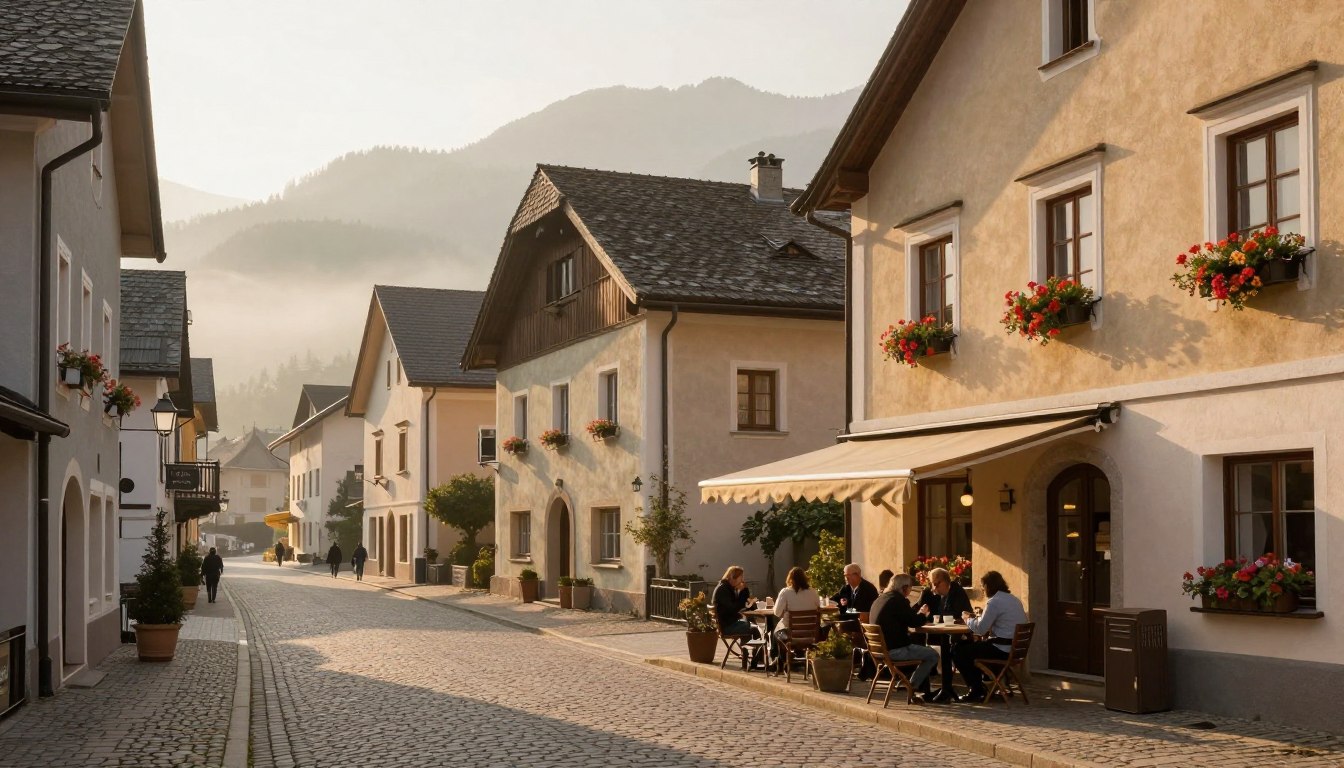
In a world where vacation days are precious and bucket lists ever-growing, there’s a counterintuitive travel philosophy gaining momentum: slow travel. While conventional tourism often resembles a frantic scavenger hunt—racing between landmarks, snapping obligatory photos, and barely scratching the surface of any one place—slow travel invites us to pause, linger, and truly connect.
Slow travel isn’t about ticking boxes or collecting passport stamps. It’s about immersing yourself in the rhythm of a place, wandering without an agenda, shopping where locals shop, and allowing yourself the luxury of time. It means renting an apartment instead of booking a hotel, walking instead of taking a tour bus, and spending weeks in one region rather than days in five countries.
This guide will take you through some of Europe’s most rewarding destinations for slow travel, offering a blueprint for deeper, more meaningful experiences. We’ll show you how staying longer in fewer places doesn’t mean missing out—it means tuning in to the authentic pulse of Europe in ways that rushed travelers never experience.
Lisbon, Portugal: Hillside Poetry in Motion

Ideal Visiting Season
Spring (April-May) for mild temperatures and jacaranda trees in bloom, or fall (September-October) to avoid summer crowds while still enjoying warm evenings perfect for outdoor dining.
Must-See Attractions (The Slow Travel Way)
- Instead of rushing through São Jorge Castle, arrive at opening time (9 am) and spend a full morning exploring its grounds, walking the ramparts at your own pace, and sitting in the shade of ancient olive trees while absorbing panoramic views of the city.
- Skip the tourist-packed tram 28 route and instead walk the neighborhoods it traverses, particularly Alfama. Get deliberately lost in its labyrinthine streets early in the morning when locals are starting their day and the light is perfect for photography.
- Rather than a quick visit to the Time Out Market, commit to exploring Mercado da Ribeira over multiple visits. Come on different days to observe the rhythm of local shopping, chat with vendors, and sample seasonal specialties you won’t find in guidebooks.
- Dedicate an entire day to Belém, arriving early to beat tour groups at the Jerónimos Monastery, then lingering along the waterfront with a book, watching the Tagus River while enjoying the famous pastéis de Belém at a leisurely pace.
Slow Travel Tip for Lisbon
Rent an apartment in Graça or Mouraria neighborhoods for at least a week. Each morning, find a different local pastelaria for your coffee and pastry, making it “your place” by the end of your stay. Spend evenings at neighborhood tascas (small restaurants) where you’ll eventually be greeted like a regular.
Bologna, Italy: The Culinary Heart of Emilia-Romagna

Ideal Visiting Season
Late spring (May) or early fall (September-October) when temperatures are pleasant for walking and seasonal produce is at its peak in local markets.
Must-See Attractions (The Slow Travel Way)
- Rather than a quick photo of the Two Towers, climb the Asinelli Tower early in the day, then spend time afterward in Piazza Maggiore with a coffee, watching the city come to life while appreciating the medieval cityscape you just viewed from above.
- Instead of rushing through the Quadrilatero food district, take a cooking class that begins with shopping at the market stalls, learning from locals how to select the best ingredients before creating traditional Bolognese dishes.
- Skip the quick tour of the University district and instead find a café frequented by students, bringing a book and lingering for hours as locals do, perhaps striking up conversations with residents.
- Rather than cramming the Archiginnasio and Anatomical Theatre into a busy day, visit during quieter afternoon hours, taking time to examine the detailed wooden carvings and thousands of family crests that tell Bologna’s rich academic history.
Slow Travel Tip for Bologna
Bologna is best experienced through its food culture. Commit to never eating at the same place twice. Each meal becomes an opportunity to discover a new trattoria, osteria, or family-run restaurant. Take notes on each dining experience, creating your personal food map of the city.
Lyon, France: Culinary Capital Between Two Rivers

Ideal Visiting Season
Late spring (May-June) or early fall (September) when the weather is ideal for walking and outdoor dining, avoiding the summer heat and winter chill.
Must-See Attractions (The Slow Travel Way)
- Instead of rushing through the traboules (hidden passageways), spend a morning with a detailed map finding these secret corridors in Vieux Lyon and Croix-Rousse, taking time to appreciate the Renaissance courtyards they reveal.
- Rather than a quick visit to Les Halles de Lyon Paul Bocuse, come multiple mornings to observe the ritual of local chefs selecting their ingredients. Sample different specialties each day, from Saint-Marcellin cheese to pink praline tarts.
- Skip the hurried tour of Basilica of Notre-Dame de Fourvière and instead visit late afternoon when the crowds thin. Stay for sunset on the esplanade, watching the city lights come alive below.
- Dedicate an entire day to exploring Parc de la Tête d’Or, bringing a picnic and finding your own perfect spot among the botanical gardens, lake, or rose garden. Observe how locals use this green space throughout the day.
Slow Travel Tip for Lyon
Lyon’s bouchons (traditional restaurants) are the soul of the city. Rather than trying to visit the “top 5,” choose one authentic bouchon and befriend the owner. Return several times during your stay, trying different Lyonnaise specialties and allowing the staff to recommend dishes not on the tourist menu.
Essential Gear for the Slow Traveler
As you settle into the rhythm of slow travel, having the right equipment becomes increasingly important. Unlike rushed tourists who might tolerate uncomfortable gear for a few days, slow travelers need reliable companions for their extended journeys. Here are some essentials that will enhance your slow travel experience:

Versatile Travel Backpack
A comfortable, well-designed backpack is essential for slow travelers who explore neighborhoods on foot. Look for one with proper weight distribution, multiple compartments for organization, and weather resistance for those unexpected European showers.
The ideal backpack should be large enough to carry daily essentials—water, layers, camera, and market finds—yet compact enough to navigate narrow European streets and crowded public transportation.

Quality Expandable Luggage
When you’re settling into one place for weeks rather than days, quality luggage makes all the difference. Slow travelers need something durable enough to handle cobblestone streets yet spacious enough for longer stays.
Look for expandable options that allow you to start your journey with a compact bag and return with local treasures. Smooth-rolling wheels and comfortable handles are essential for navigating Europe’s varied terrain.
Ghent, Belgium: Medieval Beauty Without the Crowds

Ideal Visiting Season
Late spring (May-June) or early fall (September) when the weather is mild, and you can enjoy outdoor café culture without the summer tourist crowds.
Must-See Attractions (The Slow Travel Way)
- Rather than rushing through the Ghent Altarpiece at Saint Bavo’s Cathedral, visit first thing in the morning and spend a full hour with this masterpiece, using the detailed audio guide to understand its significance and revolutionary techniques.
- Skip the quick photo op at Gravensteen Castle and instead take the extended tour, then find a café with a castle view where you can sketch or write about the experience while watching how the light changes the medieval stonework throughout the day.
- Instead of a hurried canal boat tour, rent a kayak or small boat yourself, allowing time to explore at your own pace, stopping whenever a particular view or hidden corner catches your eye.
- Rather than rushing through the Design Museum, visit during quieter weekday hours and take time to understand how Belgian design influences everyday life, perhaps returning to the museum shop later to find a practical souvenir that will remind you of Ghent’s aesthetic.
Slow Travel Tip for Ghent
Ghent transforms completely after day-trippers leave. Book accommodation for at least five nights and make a point of exploring the city after 6 pm when the monuments are beautifully lit and locals reclaim their streets. Find a favorite local bar where you can sample Belgian beers with residents rather than tourists.
Ljubljana, Slovenia: Green Capital with a Dragon’s Heart

Ideal Visiting Season
Late spring (May-June) when the city’s abundant green spaces are in bloom and outdoor café culture thrives, or September when the summer crowds have departed but the weather remains pleasant.
Must-See Attractions (The Slow Travel Way)
- Instead of a quick visit to Ljubljana Castle, hike up the forested path rather than taking the funicular, then spend a full afternoon exploring the grounds, exhibitions, and viewpoints, staying for sunset when the city glows golden below.
- Rather than rushing through the Central Market, visit multiple mornings to observe the rhythm of local shopping. Bring a small dictionary to learn food vocabulary and engage with vendors, gradually building a relationship that might lead to recommendations for their favorite preparations.
- Skip the hurried photo of Prešeren Square and instead find a café with a view of the square, spending time observing how this public space functions as the city’s living room throughout different times of day.
- Dedicate an entire day to exploring Tivoli Park, bringing a book and picnic to join locals in their leisure activities. Notice how Ljubljanians use their green spaces and adopt their unhurried approach to outdoor relaxation.
Slow Travel Tip for Ljubljana
Ljubljana’s compact size makes it perfect for bicycle exploration. Rent a bike for your entire stay and commit to using it as your primary transportation. The city’s excellent cycling infrastructure allows you to cover more ground than walking while still maintaining the intimate pace that reveals hidden corners and local favorites.
Granada, Spain: Where Moorish Past Meets Spanish Present

Ideal Visiting Season
Spring (April-May) or fall (September-October) when temperatures are pleasant for walking the hillside neighborhoods and gardens are in bloom, avoiding the intense summer heat.
Must-See Attractions (The Slow Travel Way)
- Instead of rushing through the Alhambra on a timed ticket, book the first morning entry and the last evening entry on separate days. Experience how dramatically different the palace feels in changing light, with time between visits to reflect on its details and history.
- Rather than a quick tour of the Albaicín quarter, rent an apartment here for your entire stay. Spend mornings exploring one tiny section at a time, following the sound of fountains and finding hidden plazas where locals gather.
- Skip the touristy flamenco shows and ask your apartment host or a local café owner where to find authentic peñas flamencas. These smaller, less advertised performances often start late and showcase flamenco as a living art form rather than a tourist spectacle.
- Dedicate an entire day to the Realejo (former Jewish quarter), starting with the small San Matías market in the morning, exploring the Carmen de los Mártires gardens at midday, and finding a local tavern for dinner where you can try different tapas over a leisurely evening.
Slow Travel Tip for Granada
Granada’s tapas culture is unique in Spain—many bars still serve a free tapa with each drink. Rather than dining at restaurants, adopt the local custom of an evening tapeo (tapas crawl). Have one drink and tapa at each place, moving slowly through a neighborhood over several hours, observing how different generations of Granadinos socialize.
Packing Essentials for Extended European Stays
After exploring these captivating cities, you’ve likely noticed how slow travel transforms your relationship with your belongings. When you’re settling into apartments and living like a local, efficient packing becomes even more crucial. These essentials will help you organize your belongings for those longer, more immersive stays:

Packing Cubes Set
When you’re unpacking and repacking for longer stays in multiple destinations, packing cubes become invaluable. They keep your clothing organized within your luggage, making it easy to find items without creating chaos in your temporary home.
Look for lightweight, durable cubes in different sizes that allow you to organize by category—one for tops, another for bottoms, and perhaps a smaller one for undergarments. This system is particularly helpful when living out of a suitcase in rental apartments.

Travel Laundry Kit
One secret to packing light for extended travel is doing laundry along the way. A compact laundry kit allows you to refresh your wardrobe without searching for laundromats or paying premium prices for hotel services.
A good kit includes travel detergent sheets, a portable clothesline, and perhaps a universal sink stopper. This allows you to wash small items in your apartment sink and maintain a minimal, versatile wardrobe throughout your journey.
Tallinn, Estonia: Medieval Magic Meets Digital Innovation

Ideal Visiting Season
Late spring (May-June) when daylight hours are long and the city’s parks and outdoor cafés come alive, or September when summer crowds have departed but the weather remains mild.
Must-See Attractions (The Slow Travel Way)
- Instead of rushing through the Old Town in a day, dedicate your first three days to exploring it in sections—the Lower Town, Upper Town (Toompea), and city walls—allowing time to discover hidden courtyards and small museums that most tourists miss.
- Rather than a quick visit to the Estonian Open Air Museum, arrive when it opens and spend a full day exploring this recreation of rural Estonian life. Bring a picnic and find a quiet spot to observe the changing light on the historic buildings.
- Skip the touristy amber shops and instead visit the Kalamaja district over several days, exploring its wooden houses, creative studios, and the Telliskivi Creative City. Return to artists’ workshops that interest you, perhaps arranging to learn about their craft.
- Dedicate an afternoon to Kadriorg Park, visiting the art museum but also allowing plenty of time to wander the formal gardens and forest paths as locals do, observing how Estonians connect with nature even within the city.
Slow Travel Tip for Tallinn
Estonia’s digital innovation makes it one of Europe’s easiest countries for longer stays. Take advantage of their e-services by getting a mobile SIM card immediately upon arrival. Use local apps for transportation, food delivery, and event listings to experience the city as residents do, beyond the medieval façade that most tourists see.
Syracuse, Sicily: Ancient Greek Splendor on the Mediterranean

Ideal Visiting Season
Late spring (May) or early fall (September-October) when the Mediterranean is warm enough for swimming but temperatures aren’t scorching, and you can explore archaeological sites comfortably.
Must-See Attractions (The Slow Travel Way)
- Instead of rushing through the Archaeological Park, visit early in the morning before tour groups arrive. Bring a small picnic and find a quiet spot within the ancient Greek theater to contemplate how this space has been used for over 2,500 years.
- Rather than a quick walk through Ortigia island, rent an apartment here for your entire stay. Spend your first few days simply wandering without a map, discovering your own favorite corners, cafés, and viewpoints that won’t appear in any guidebook.
- Skip the hurried visit to the Duomo and instead attend an evening service or concert. Return during different times of day to observe how the light transforms this unique building—a Greek temple converted to a church with layers of history visible in its structure.
- Dedicate an entire morning to the Ortigia market, not just photographing it but shopping alongside locals. Buy ingredients for a simple meal, asking vendors for cooking suggestions, then prepare it in your apartment using their advice.
Slow Travel Tip for Syracuse
Syracuse’s connection to the sea defines the city. Rather than just admiring the water from cafés, integrate it into your daily routine. Take a morning swim at the Ortigia swimming rocks where locals gather, join a small fishing boat excursion, or take picnic supplies to the wild beaches south of the city where Syracusans escape on weekends.
Kotor, Montenegro: Fjord-like Beauty with Venetian Charm

Ideal Visiting Season
Late spring (May-June) or early fall (September) when the weather is ideal for hiking the city walls and exploring the bay, but before or after the cruise ship high season.
Must-See Attractions (The Slow Travel Way)
- Instead of rushing up the city walls for a quick photo, climb early in the morning before the heat and crowds. Bring water and snacks to linger at different levels, watching the bay come to life below as the light changes.
- Rather than a hurried boat tour of the Bay of Kotor, arrange a local boat rental for multiple days. Explore different villages around the bay at your own pace, returning to favorites and discovering hidden swimming spots and waterside restaurants.
- Skip the quick walk through the Old Town and instead explore it systematically over several days, focusing on different aspects—its churches one day, its squares and fountains another, its cats (Kotor’s unofficial mascots) on a third.
- Dedicate a full day to visiting Perast, arriving early by local bus and staying until sunset. Rather than just taking photos of the island churches, find a quiet waterfront spot to sketch, write, or simply observe the changing light on the bay.
Slow Travel Tip for Kotor
Kotor transforms completely when cruise ships depart in late afternoon. Book accommodation within the Old Town walls for at least a week and develop an evening ritual of walking the empty marble streets after day-trippers leave. Find a favorite square where you can enjoy local wine and seafood while chatting with residents who reclaim their city each night.
Footwear & Final Essentials for the Slow Traveler
After exploring these diverse European destinations, you’ve likely walked countless cobblestone streets and hillside paths. The right footwear and final travel essentials can make the difference between comfortable immersion and painful distraction. Here are the last pieces to complete your slow travel kit:

Versatile Walking Shoes
If there’s one item worth investing in for slow travel, it’s proper footwear. European cities with their cobblestone streets, hillside towns, and countless steps demand comfortable shoes that can handle long days of exploration.
Look for lightweight options with excellent support and versatile styling that works for both daytime wandering and evening dining. The ideal pair should be broken in before your trip and comfortable enough that you forget you’re wearing them.

Travel Journal & Market Bag
Two final essentials complete the slow traveler’s kit: a quality journal and a reusable market bag. The journal becomes a repository for observations, conversations with locals, and reflections that digital photos can’t capture.
The market bag signals to vendors that you’re not just passing through—you’re shopping like a local. It’s perfect for carrying fresh produce from markets, picnic supplies, or small souvenirs that represent your deeper connection to each place.
Embracing the Art of Slow Travel in Europe

As we’ve journeyed through these ten European destinations, a common thread emerges: the most meaningful travel experiences aren’t found in checking landmarks off a list but in the quiet moments between. The morning ritual at a neighborhood café where the barista begins to recognize you. The evening passeggiata where you join locals in their daily stroll. The market vendor who recommends the perfect way to prepare a regional specialty.
Slow travel isn’t about seeing everything—it’s about seeing less but experiencing more deeply. It’s about trading the exhaustion of constant movement for the richness of genuine connection. When you spend ten days in Bologna rather than one day each in ten Italian cities, you begin to understand not just what Italy looks like, but how it feels to live there.
This approach to travel requires a shift in mindset. Success isn’t measured by countries visited or landmarks photographed, but by moments of authentic connection and personal transformation. Did you learn enough of the local language to have a simple conversation? Did you discover a neighborhood restaurant where they greet you by name? Did you observe how the light changes on a particular building throughout the day?
As you plan your next European adventure, consider challenging yourself to see less and experience more. Rent an apartment instead of booking a hotel. Shop at markets instead of eating at restaurants. Walk or cycle instead of taking tour buses. And most importantly, give yourself the gift of time—time to wander without purpose, to sit in a square without checking your watch, to let a place reveal itself to you slowly, on its own terms.
The memories you’ll create through slow travel won’t be a blur of monuments and museums. They’ll be vivid sensory experiences: the taste of that perfect espresso in Lisbon, the sound of church bells echoing through Tallinn’s empty evening streets, the feeling of cool Mediterranean water on your skin during a morning swim in Syracuse. These are the souvenirs that last a lifetime—and they don’t take up any space in your luggage.
I may earn a small commission from purchases made as an Amazon Affiliate.