
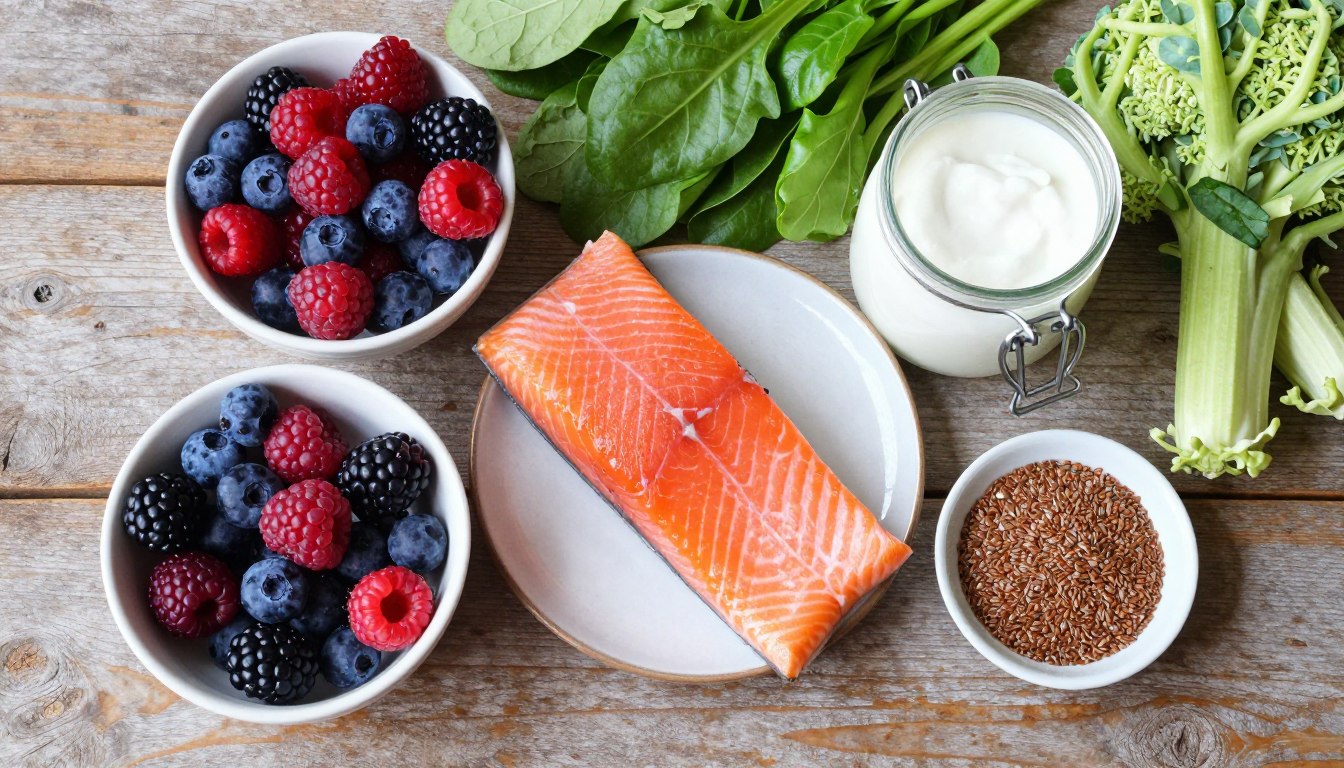
I used to think eating healthy meant cutting things out. The list felt endless. No sugar, no carbs, no dairy, no fun. But that approach left me exhausted and constantly thinking about food in the wrong way.
Now I focus more on what I can add in. Especially foods that actually support my hormones and energy. This shift changed everything for me.
As I moved through my late thirties and into my forties, I noticed changes. My energy wasn’t what it used to be. My body responded differently to the same foods. My metabolism seemed to have its own agenda.
I wanted to feel better. Not just eat clean for the sake of it. I wanted nourishment that worked with my body during this stage of life.
These are the simple, everyday hormone supportive foods I’ve been adding into my routine. And the difference they’ve made has been real.
Why Food Matters More for Hormones in Midlife

Our hormones influence everything. They affect our energy levels throughout the day. They impact our mood and how we handle stress. They control our metabolism and how our body uses food.
When we’re younger, our body handles hormonal fluctuations more easily. But as we age, particularly for women over forty, the margin for error gets smaller. What we eat becomes more important.
Blood sugar stability becomes crucial. When blood sugar spikes and crashes, it triggers stress hormones. This creates a cycle that makes hormonal symptoms worse. Foods that keep blood sugar steady help break this cycle.
Inflammation plays a bigger role too. Chronic inflammation disrupts hormone balance. It interferes with hormone production. It makes existing imbalance worse. Anti inflammatory foods help calm this response.
The connection between diet and hormone levels isn’t just theory. Research suggests that specific nutrients support hormone production. Certain foods help our body process and eliminate excess hormones more efficiently.
Here’s what I’ve learned. Food can either support your hormones or make symptoms feel worse. There’s no middle ground. Every meal is an opportunity to help your body function better.
This doesn’t mean perfection. It means making choices that move you forward more often than not. Small, consistent changes in your diet create real results over time.
Understanding this shifted my entire approach to eating. I stopped seeing food as the enemy. I started seeing it as a tool to feel better in my own body.
My Approach: Simple, Balanced, and Sustainable

My philosophy is straightforward. Every meal includes protein, fiber, and healthy fats. These three components work together to support hormone balance.
Protein stabilizes blood sugar. It provides amino acids your body needs for hormone production. It keeps you satisfied between meals. High protein foods for women become especially important as metabolism changes with age.
Fiber supports gut health foods function. It helps your body eliminate excess hormones. It slows down sugar absorption. It feeds the beneficial bacteria in your digestive system.
Healthy fats are essential for hormone production. Your body literally makes hormones from fat. Without adequate fat intake, hormone levels suffer. The right fats reduce inflammation and support overall health.
I don’t do extremes. No cutting out entire food groups. No rigid meal plans. No complicated tracking systems that make eating stressful.
This approach needs to work in real life. That means it fits into busy schedules. It works when you’re traveling. It doesn’t require special ingredients you can’t pronounce.
I’m not aiming for perfection. I’m aiming for meals that help me feel better. Meals that give me energy instead of taking it away. Meals that support my body instead of working against it.
This mindset makes healthy foods for women over 40 feel achievable. It removes the pressure. It makes nutrition something you do for yourself, not to yourself.
Key Principle: Focus on adding nourishing foods rather than restricting. This creates a sustainable approach to hormone friendly meals that you can maintain long-term.
Hormone-Supportive Foods I’m Adding to My Routine
These foods have become staples in my kitchen. Each one serves a specific purpose for hormonal balance. I’ll share why I’m adding them and exactly how I use them in my daily routine.
Salmon: Healthy Fats and Protein

Salmon has become my go-to protein source several times a week. It’s one of the best foods for hormone balance because it delivers both quality protein and omega-3 fatty acids in one package.
The omega-3s in salmon are incredibly important. These fatty acids reduce inflammation throughout your body. They support cell membrane health, which affects how well hormones can communicate with cells. They also support brain health and mood regulation.
Salmon provides complete protein with all essential amino acids. Your body uses these amino acids to build and repair tissues. Some amino acids serve as building blocks for specific hormones and neurotransmitters.
The anti inflammatory properties make a real difference. Chronic inflammation disrupts hormone production. It interferes with how well your body responds to hormones. Omega-3s help calm this inflammatory response.
I keep my approach simple. Grilled salmon for dinner with roasted vegetables. Added to salads for lunch. Simple bowls with quinoa and greens. The key is consistency, not complexity.
Wild-caught salmon contains higher levels of omega-3s than farmed. It also has fewer contaminants. When possible, I choose wild-caught options for better nutritional value.
Wild-Caught Alaskan Salmon
I keep high-quality frozen wild-caught salmon on hand for easy hormone-supportive meals. Having it ready in the freezer removes barriers to eating well when life gets busy.
The omega-3 content in wild-caught varieties is significantly higher than farmed options. This makes a real difference in getting the anti-inflammatory benefits your body needs for hormone health.
Berries: Fiber and Antioxidants

Berries have become my daily sweet treat. They satisfy sugar cravings while actually supporting hormone balance. That’s a win in my book.
The fiber in berries slows down sugar absorption. This prevents the blood sugar spikes that trigger stress hormone release. Stable blood sugar means more stable energy and fewer cravings throughout the day.
Berries are packed with antioxidants. These compounds reduce inflammation and protect cells from damage. Some research suggests specific antioxidants in berries may help with estrogen metabolism.
They’re naturally sweet without added sugar. This makes them perfect for a perimenopause diet where blood sugar management becomes more important. You get sweetness without the metabolic consequences of processed sugar.
I add them to Greek yogurt bowls in the morning. Blend them into smoothies. Eat them as quick snacks when I need something sweet. Keep frozen berries on hand when fresh aren’t available.
The variety matters less than consistency. Blueberries, strawberries, raspberries, blackberries. They all offer similar benefits. I rotate based on what’s available and affordable.
Organic Frozen Berry Blend
Frozen organic berries make hormone-supportive eating effortless. They’re already washed and ready to use. The freezing process actually preserves most nutrients well.
Having these in my freezer means I never skip berries due to inconvenience. They’re perfect for smoothies, yogurt bowls, or even as a quick snack when partially thawed.
Flax: Hormone and Gut Support

Flaxseed has become a non-negotiable part of my daily routine. It’s one of those foods for hormone balance that delivers multiple benefits in a small package.
Flax contains lignans. These plant compounds have a mild estrogenic effect. They may help balance estrogen levels by binding to estrogen receptors. This can be particularly helpful during perimenopause when estrogen fluctuates.
The fiber content is impressive. Just two tablespoons provide significant fiber. This fiber supports gut health by feeding beneficial bacteria. It also helps your body eliminate excess hormones through regular bowel movements.
Flax is rich in omega-3 fatty acids. While not identical to the omega-3s in fish, they still provide anti-inflammatory benefits. This makes flax valuable for overall hormone health.
I add ground flaxseed to smoothies every morning. Sprinkle it on yogurt. Mix it into oatmeal. The taste is mild and nutty. It doesn’t overpower other flavors.
Ground flax works better than whole seeds. Your body can’t break down whole flaxseeds effectively. They pass through undigested. Grinding releases the nutrients your body can actually absorb and use.

Organic Pre-Ground Flaxseed
Pre-ground organic flaxseed makes it easy to get hormone-supportive lignans and fiber daily. I store it in the refrigerator to keep the omega-3s fresh.
The convenience of pre-ground means I actually use it consistently. This consistency matters more than anything when supporting hormonal balance through nutrition.
Leafy Greens: Nutrient-Dense Support

Leafy greens show up in my diet every single day now. They’re nutrient powerhouses that support hormone health in multiple ways.
These greens are rich in vitamins and minerals essential for hormone production. B vitamins support energy metabolism and stress response. Magnesium helps with sleep quality and mood regulation. Iron is crucial for women, especially during perimenopause.
Leafy greens support detoxification pathways. Your liver processes and eliminates excess hormones. The nutrients in greens support this liver function. Better hormone metabolism means better overall balance.
They’re incredibly nutrient-dense for minimal calories. This matters when metabolism slows down. You get maximum nutrition without excess calories. This supports weight management while nourishing your body.
I add greens to salads throughout the week. Sauté spinach or kale as simple sides. Blend them into smoothies where I don’t even taste them. The goal is daily intake, not perfection.
Variety helps ensure you get different nutrients. Spinach, kale, arugula, Swiss chard, romaine. Each offers slightly different nutritional benefits. Rotating prevents boredom and maximizes nutrition.

Organic Superfood Green Powder
On busy mornings, a quality green powder ensures I still get nutrient-dense greens. It’s not a replacement for whole vegetables, but it’s a helpful backup.
I add it to smoothies or even just water. The concentrated nutrition supports overall health and fills nutritional gaps when whole food intake isn’t perfect.
Greek Yogurt: Protein and Gut Health

Greek yogurt has become a daily staple. It checks multiple boxes for hormone supportive foods. High protein, gut-friendly probiotics, and versatility make it invaluable.
The protein content in Greek yogurt is significantly higher than regular yogurt. One serving provides 15-20 grams of protein. This protein supports blood sugar stability and provides amino acids for hormone production.
Probiotics in yogurt support gut health. Your gut microbiome influences hormone metabolism. Beneficial bacteria help break down and eliminate excess hormones. They also produce compounds that affect hormone signaling.
Greek yogurt helps with satiety. The protein and fat keep you full for hours. This prevents the snacking that leads to blood sugar instability. Stable blood sugar means more stable hormones and energy.
I use it for breakfast bowls with berries and flax. As a snack with a drizzle of honey. As a base for smoothies. Mixed with herbs as a savory dip. The versatility means I never get bored.
Full-fat Greek yogurt works better for hormone health than fat-free versions. The fat helps you absorb fat-soluble vitamins. It also supports hormone production. Don’t fear healthy fats from whole food sources.
Organic Full-Fat Greek Yogurt
I choose organic full-fat Greek yogurt for the best hormone-supportive benefits. The healthy fats help with nutrient absorption and hormone production.
The high protein content makes it perfect for balanced meals and snacks. It’s become a foundation of my hormone friendly meals throughout the week.
Cruciferous Vegetables: Hormone Detox Support

Cruciferous vegetables have earned a permanent spot in my weekly meal rotation. Broccoli, cauliflower, Brussels sprouts, cabbage. These vegetables offer unique benefits for hormone metabolism.
These vegetables contain specific compounds that support estrogen metabolism. They help your body process estrogen through healthier pathways. This is particularly important during perimenopause when estrogen levels fluctuate.
The anti-inflammatory properties help overall hormone balance. Chronic inflammation interferes with hormone signaling. It disrupts normal hormone production. Fighting inflammation supports better hormonal health.
Cruciferous vegetables are nutrient-dense. They provide fiber for gut health and blood sugar stability. They offer vitamins and minerals that support overall body function. They’re low in calories but high in satisfaction.
I roast them with olive oil and sea salt. Add them to grain bowls. Include them as simple sides with protein. Steam broccoli and add lemon juice. Keep preparation simple so I actually eat them regularly.
Consistency matters more than quantity. A serving of cruciferous vegetables several times per week provides benefits. You don’t need to eat pounds of them. Just include them regularly in your clean eating for hormones approach.

Stainless Steel Vegetable Steamer
A quality steamer makes preparing cruciferous vegetables incredibly easy. Steaming preserves more nutrients than boiling and requires minimal effort.
Having the right tools removes barriers to eating hormone-supportive vegetables consistently. This simple investment has increased my vegetable intake significantly.
What I’ve Noticed Since Adding These Foods

The changes didn’t happen overnight. But within a few weeks of consistently adding these hormone supportive foods, I started noticing real differences.
My energy became more stable throughout the day. The afternoon crashes became less frequent. I wasn’t reaching for caffeine or sugar just to get through the day. My body seemed to run on a more even keel.
Cravings decreased significantly. When blood sugar stays stable, the desperate need for sweets diminishes. I still enjoy treats, but I’m choosing them rather than being controlled by them. That’s a huge shift.
My digestion improved noticeably. More fiber from berries, flax, and vegetables made a real difference. Regular bowel movements support hormone balance by eliminating excess hormones. This connection between gut health and hormones is real.
I felt fuller for longer after meals. The combination of protein, healthy fats, and fiber created genuine satiety. This made it easier to avoid snacking from boredom or stress rather than actual hunger.
My mood became more even. The connection between nutrition and mood is well-established. When your body has the nutrients it needs, emotional regulation improves. I felt less irritable and more resilient to stress.
Sleep quality improved as well. Better blood sugar stability meant fewer nighttime wake-ups. Adequate magnesium from leafy greens supported better sleep. Quality sleep is crucial for hormone production and balance.
“I feel more supported by my food instead of constantly trying to control it. That mental shift changed my entire relationship with eating.”
These aren’t dramatic transformations. They’re subtle improvements that add up to feeling significantly better in my daily life. That’s what sustainable midlife nutrition looks like.
How to Start Adding These Foods Without Overhauling Everything

The biggest mistake I see people make is trying to change everything at once. That approach rarely works. It’s overwhelming and unsustainable.
Start with one food at a time. Maybe add berries to your breakfast this week. Next week, incorporate salmon twice. The following week, start using ground flax daily. Small additions compound over time.
Pair foods together for maximum benefit. Berries with Greek yogurt creates a blood sugar-stable breakfast. Salmon with roasted cruciferous vegetables makes a hormone-friendly dinner. Flax in a smoothie with leafy greens covers multiple bases.
Don’t change everything at once. Keep meals you already enjoy and simply add hormone-supportive elements. Add berries to your usual yogurt. Include a side of steamed broccoli with dinner. Small tweaks make big differences.
Build on what already works in your life. If you already eat breakfast, enhance it. If you meal prep on Sundays, include these foods in your prep. Work with your current habits rather than against them.
Simple Starting Combinations
- Greek yogurt bowl with berries and ground flax
- Salmon salad with mixed greens and olive oil dressing
- Smoothie with greens, berries, flax, and protein
- Roasted vegetables with grilled salmon
- Veggie omelet with a side of berries
Easy Implementation Tips
- Keep frozen salmon and berries on hand
- Pre-wash and chop vegetables on weekends
- Store ground flax in the refrigerator
- Buy pre-washed greens when needed
- Batch cook proteins and vegetables
Focus on consistency over perfection. Eating these hormone supportive foods most days matters more than eating them perfectly every day. Life happens. Do what you can.
Pay attention to how you feel. Notice your energy levels. Track your mood. Observe changes in digestion. This feedback helps you understand what works for your unique body.
Ready to Stock Your Kitchen?
Having the right hormone-supportive foods and tools on hand makes healthy eating effortless. Check out my curated collection of products that have made the biggest difference in my routine.
A Gentle Reminder About Food and Hormones

No single food fixes everything. I want to be clear about this. Salmon won’t cure hormonal imbalance on its own. Berries aren’t a magic solution. Flaxseed can’t compensate for other lifestyle factors.
Hormonal health involves multiple factors. Sleep quality plays a huge role in hormone production. Physical activity affects hormone levels and sensitivity. Stress management impacts cortisol and other stress hormones. Nutrition is one piece of a larger puzzle.
That said, it’s an important piece. What you eat affects hormone production, metabolism, and elimination. It influences inflammation levels throughout your body. It impacts blood sugar stability and insulin levels. Food matters.
Consistency matters more than perfection. Eating hormone supportive foods most of the time creates results. You don’t need to be perfect. You need to be consistent enough for your body to benefit.
Balance beats restriction every time. Extreme diets that eliminate entire food groups often backfire. They’re unsustainable. They create stress, which disrupts hormones. They lead to cycles of restriction and overeating.
Focus on adding nourishing foods rather than taking things away. This positive approach feels better mentally and emotionally. It’s more sustainable long-term. It supports your hormones and your relationship with food.
Listen to your body. Everyone’s hormonal situation is unique. What works for someone else might not work exactly the same for you. Pay attention to how different foods make you feel. Adjust based on your experience.
Be patient with the process. Hormonal changes take time. Your body needs weeks or months to respond to dietary changes. Quick fixes don’t exist. Sustainable improvements do.
“The goal isn’t to eat perfectly. It’s to eat in a way that supports your life and makes you feel better in your own body.”
Give yourself permission to figure this out as you go. You don’t need to have everything perfect from day one. Start where you are. Add what you can. Notice what helps. Adjust as needed.
Moving Forward With Hormone-Supportive Nutrition

Food is a powerful support tool. It won’t solve everything, but it can make a significant difference in how you feel. Small changes in what you eat create real improvements over time.
These hormone supportive foods have become non-negotiables in my routine. Salmon for omega-3s and protein. Berries for fiber and antioxidants. Flax for hormone metabolism support. Leafy greens for overall nutrition. Greek yogurt for protein and gut health. Cruciferous vegetables for detoxification support.
Each one serves a purpose. Together, they create a foundation for better hormonal balance. They support stable energy, improved mood, better digestion, and overall wellness.
Midlife is about working with your body, not against it. Understanding what your body needs during this stage empowers you to make choices that help rather than hinder. Nutrition becomes a tool for feeling better.
You don’t need to implement everything immediately. Start with one or two foods. Notice how you feel. Add more as it feels natural. Build sustainable habits that work with your life.
The perimenopause diet that works is the one you can maintain. Not the one that sounds perfect in theory but fails in practice. Realistic, balanced, and focused on nourishment wins every time.
Remember that this is a journey. Your hormonal needs will continue to evolve. What you need now might shift over time. Stay curious. Keep paying attention. Adjust as needed.
Related Resources: For more support on your hormone health journey, explore what I eat in a day for hormone support, learn about magnesium for sleep and perimenopause, discover nervous system regulation techniques, create Sunday reset rituals, and build gentle wellness habits.
Which of these hormone supportive foods are you already eating? What will you add to your routine first?
Save this guide for your next grocery trip. Come back to it when you need inspiration or a reminder of why these foods matter.
Follow along for more simple, hormone-friendly wellness tips that actually work in real life. Because you deserve to feel good in your body during this stage of life.
Your Next Step
Start building your hormone-supportive kitchen today. Small steps create lasting change when you have the right tools and foods on hand.