
Your cart is currently empty!
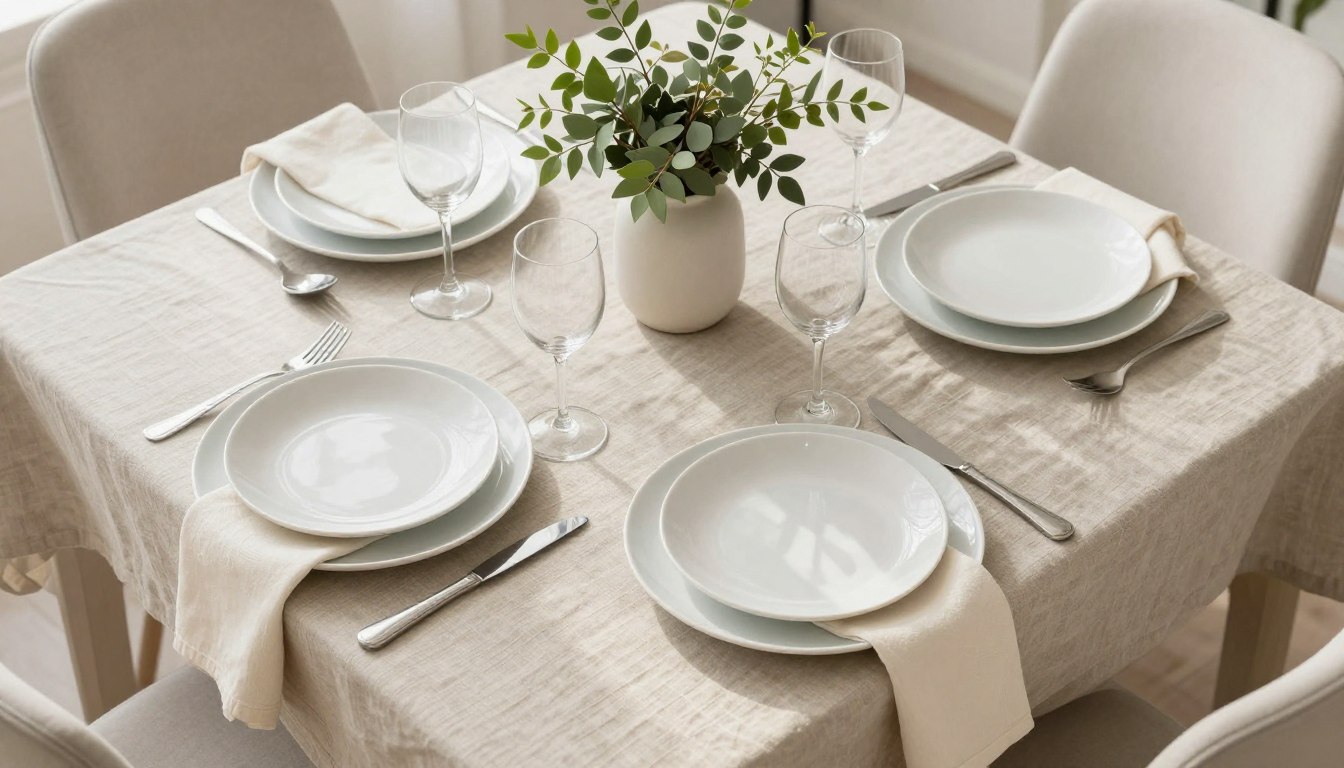
Spring brings a fresh start to our homes and gatherings. The season invites us to open windows, let light flood our dining rooms, and welcome family and friends around tables that feel both beautiful and relaxed. This year, consider stepping away from bright pastels and bold florals. Instead, embrace the quiet elegance of neutral spring tablescapes that feel timeless, sophisticated, and deeply calming.
Neutral palettes offer something truly special. They create spaces that feel intentional without being fussy. These colors work for Easter brunch, casual spring dinners, and even everyday family meals. The beauty lies in their versatility and longevity.
This post may contain affiliate links, including Amazon links. As an Amazon Associate, I earn a small commission from qualifying purchases at no additional cost to you.
Simple details make the most elegant tables. A well-chosen linen runner, thoughtfully placed candles, and fresh greenery can transform an ordinary table into something memorable. You don’t need elaborate florals or themed decorations. What you need is a clear vision and a few quality pieces that speak to your style.

Why Neutral Spring Tablescapes Are Trending
Neutral spring tablescapes have captured the attention of home decor enthusiasts everywhere. The shift reflects a broader movement toward mindful, sustainable living. People want their homes to feel restful rather than stimulating. They’re choosing quality over quantity and timeless beauty over fleeting trends.

Timeless and Versatile Design
Neutral colors never go out of style. White, cream, beige, and taupe create a foundation that works year after year. These spring table settings transition seamlessly from one season to another. The same linen napkins you use for spring can anchor your Thanksgiving table or summer garden party.
This versatility saves money and reduces clutter. You invest in pieces you’ll use repeatedly rather than storing boxes of seasonal decorations. Your neutral foundation adapts to any occasion with small, intentional changes.

Easy to Recreate at Home
Creating beautiful neutral tablescapes doesn’t require special skills or expensive items. The simplicity makes these settings accessible to everyone. You likely already own several pieces that would work perfectly. White plates, clear glasses, and simple flatware form the basic elements.
The look comes together quickly. Unlike elaborate themed tables requiring specific decorations, neutral spring table decor relies on natural materials and basic elements. Anyone can gather fresh branches from the yard, arrange candles down the center of a table, or fold napkins beautifully.

Calm and Elevated Aesthetic
Neutral palettes create visual calm. Our eyes rest easily on soft whites, warm beiges, and gentle earth tones. This aesthetic promotes conversation and connection rather than distraction. Guests feel welcomed into a space that values their presence over impressive decorations.
The elevated feeling comes from intentional choices. Each element serves a purpose. Nothing feels random or excessive. This restraint communicates sophistication and confidence in your personal style.

Perfect for Multiple Occasions
These tablescapes work beautifully for Easter tables, Mother’s Day brunch, spring dinner parties, and casual weeknight family dinners. The neutral foundation adapts to formal or relaxed settings. Add fine china for special occasions or keep it simple with everyday stoneware for casual meals.
You can personalize the table for each event with small touches. Spring flowers for Easter, handwritten place cards for dinner parties, or a single statement centerpiece for family celebrations. The base remains consistent while the details shift to match the mood and purpose of each gathering.


The Foundation of a Neutral Tablescape
Every beautiful table starts with essential elements that create your foundation. These pieces form the backdrop for all other decor. Investing in quality basics ensures your spring tablescapes feel cohesive and polished every time you set the table.

Table Linens That Set the Tone
Linen runners and tablecloths establish the entire aesthetic. Natural linen in oatmeal, warm white, or soft gray creates instant elegance. The fabric’s texture adds depth and visual interest without introducing pattern or color. Linen naturally wrinkles in a way that feels relaxed rather than messy, perfect for approachable hosting.
Consider the length and drape of your table linens. A runner should extend beyond the table edges by six to twelve inches on each end. Full tablecloths look most elegant when they drop ten to fifteen inches from the table surface. These proportions create balance and visual weight.

Layering linens adds dimension. Try a neutral tablecloth as your base with a slightly darker or lighter runner on top. This technique creates visual layers that make the table setting feel more considered and complete.
Dinnerware in White, Cream, and Stoneware
Your plates form the canvas for each place setting. White dinnerware offers ultimate versatility and elegance. It makes food look appetizing and works with any decor style. Cream-colored plates bring warmth that feels especially appropriate for spring and casual gatherings.
Stoneware dishes in neutral tones have become incredibly popular. These pieces feel artisanal and handcrafted. Their slightly irregular shapes and organic glazes add character. Stoneware works beautifully for both everyday meals and special occasions.

Mix and match different neutral plates for an collected-over-time look. Pair white dinner plates with cream salad plates or combine different textures of stoneware. This approach feels more personal and less matchy than a complete matching set.

Glassware and Flatware Choices
Clear glassware maintains the neutral palette while adding sparkle and light. Simple stems without elaborate patterns keep the look clean and modern. Water goblets, wine glasses, and small juice glasses all contribute to the overall composition without competing for attention.
Consider mixing glass styles slightly. Vintage-inspired goblets paired with modern wine glasses create interest. The key is keeping everything within the same clear glass family so variations feel intentional rather than mismatched.

Flatware contributes significantly to your table’s overall feel. Brushed gold adds warmth to neutral palettes. Matte black creates modern contrast. Traditional silver maintains classic elegance. Choose based on the mood you want to create, knowing that any of these options works beautifully with neutral colors.
Layering Textures for Depth
Neutral tablescapes rely heavily on texture to create visual interest. Without color variation, different textures become essential. Smooth ceramic plates against rough linen napkins create pleasing contrast. Woven placemats under stoneware dishes add another layer.
Think about incorporating a versatile wooden serving board or tray as part of your centerpiece foundation. Wood brings natural warmth and organic texture that complements neutral palettes perfectly. These pieces work beautifully for displaying candles, small vases, or serving bread and cheese during meals.

Natural materials like wood, stone, and ceramic each have distinct textures. Combining several creates richness and depth. A stone trivet, wooden serving pieces, ceramic dishes, and linen napkins together tell a story of natural, handcrafted beauty.

Even within neutral colors, slight variations in tone create layers. Warm white plates on cool white linens, or beige napkins on taupe placemats, add subtle dimension. These tonal shifts keep the eye moving across the table without introducing jarring color changes.
Color Palette Ideas for Spring (Neutral Edition)
Neutral doesn’t mean boring or monotonous. Spring neutral palettes contain beautiful variety and subtle sophistication. Understanding how to combine different neutral tones creates tables that feel intentional and harmonious.

Soft Whites and Creams
White serves as the foundation for most neutral spring tablescapes. But not all whites are equal. Warm whites have subtle yellow or beige undertones that feel cozy and inviting. Cool whites contain hints of blue or gray that appear crisp and fresh.
Cream colors bridge white and beige beautifully. They bring warmth without looking yellow. Cream works especially well for spring because it feels lighter than winter’s deeper beiges while maintaining a cozy quality that pure white sometimes lacks.

Layer different whites and creams together. A bright white tablecloth with cream napkins and ivory candles creates depth through subtle variation. The monochromatic approach feels sophisticated and allows texture to shine.
Warm Beige and Taupe Tones
Beige and taupe anchor neutral palettes with earthiness. These colors feel grounded and natural, perfect for spring tables that celebrate the season’s connection to nature. Beige ranges from pale sand to rich camel, offering surprising variety.
Taupe combines gray and brown in balanced proportions. This sophisticated neutral works beautifully as a bridge between warmer and cooler tones. Taupe linen napkins or placemats add subtle depth without introducing strong color.

Use beige and taupe as your dominant colors with white as accent. This reverses the typical approach and creates a warmer, more enveloping feeling. The effect works beautifully for intimate spring dinner parties when you want the table to feel cozy and welcoming.

Light Wood Tones as Color Elements
Wood brings color, texture, and warmth to neutral tablescapes. Light woods like maple, birch, and light oak feel especially appropriate for spring. Their natural grain patterns add organic visual interest that complements the season’s renewal theme.
Incorporate wood through serving boards, utensils, chargers, or even the table itself. A natural wood dining table becomes part of your neutral palette. Its warm tones work harmoniously with whites, creams, and beiges.

Wood tones vary significantly even within the “light” category. Some have pink undertones while others lean yellow or gray. Choose woods that harmonize with your other neutral colors. If your linens are warm-toned, select wood with similar warmth.
Subtle Greens and Muted Blush Accents
While maintaining a neutral base, you can introduce the softest hints of color. Sage green, eucalyptus, and pale olive feel like natural extensions of neutral palettes. These muted greens connect to spring and nature without introducing bright, jarring color.
Add green through fresh or dried greenery, not colored dishware or linens. A eucalyptus runner down the center of the table or small sprigs tucked into napkin rings bring life and freshness while respecting the neutral aesthetic.

Muted blush pink also works as a gentle accent. Use it sparingly through a single element like napkins or a small flower arrangement. Blush feels romantic and spring-appropriate while remaining soft enough not to disrupt the neutral palette.

Keeping Your Palette Cohesive and Calming
Cohesion comes from limiting your color range. Choose three to four neutral tones as your base and stick with them throughout the table setting. This restraint prevents the table from feeling chaotic or confused.
Consider the undertones of your neutrals. Warm neutrals (with yellow, red, or orange undertones) should stay together. Cool neutrals (with blue, green, or gray undertones) form their own family. Mixing undertones creates discord even when staying within neutral colors.

The calming quality of neutral palettes comes from their low contrast and visual simplicity. Your eye moves smoothly across the table without jarring stops. This creates the peaceful, welcoming atmosphere that makes neutral spring tablescapes so appealing.
Simple Centerpiece Ideas That Feel Elevated
Centerpieces define the character of your table. For neutral spring tablescapes, simple arrangements often make the strongest impact. The goal is creating a focal point that enhances conversation rather than blocking it.

Minimal Florals and Greenery
Fresh flowers bring life and seasonality to spring tables. For neutral settings, choose blooms in white, cream, or very pale tones. White tulips, cream roses, or ivory ranunculus maintain the color scheme while adding organic beauty.
Keep arrangements low and loose. Tight, formal flower arrangements feel stuffy and overdone. Instead, gather a small bunch of tulips in a simple vase or scatter single stems in bud vases down the table’s length. This relaxed approach feels more inviting and modern.

Greenery alone creates stunning centerpieces without any flowers. Eucalyptus branches, olive stems, or simple ferns arranged casually in a neutral vase feel fresh and modern. The various greens provide subtle color variation while maintaining the calm neutral aesthetic.
Consider using potted plants as centerpiece elements. Small herbs like rosemary or thyme in terracotta pots serve dual purposes as decor and gifts for guests. This functional beauty aligns perfectly with the practical elegance of neutral tablescapes.

Candles for Warmth and Ambiance
Candles transform tables from daytime fresh to evening elegant. Real pillar candles in white or cream add height and drama. Group candles in varying heights down the center of the table for visual interest and generous light.
Flameless candles offer practical benefits for families with young children or pets. Modern LED candles with realistic flicker look surprisingly authentic. Choose versions in real wax with timers for convenience and realism.

Taper candles in simple holders bring classic elegance. Choose candlesticks in materials that complement your neutral palette – brass for warmth, white ceramic for simplicity, or clear glass for lightness. The vertical lines of taper candles add graceful height without blocking views.
Combine candles with other centerpiece elements. Place pillar candles on a wooden tray alongside a small vase of greenery. Nestle votives among scattered flower petals or eucalyptus leaves. These combinations create layered centerpieces with depth and interest.

Wooden Boards and Trays as Foundations
Wooden serving boards organize centerpiece elements into cohesive arrangements. The board creates boundaries and defines the centerpiece space. Everything placed on the board reads as one intentional composition rather than random items.
Use wooden trays to elevate candles, small vases, or decorative objects. The tray’s edge contains these elements and creates visual weight at the table’s center. This technique works especially well on long tables where you need to fill significant space.

The natural wood tone adds warmth and organic texture. Choose boards with visible grain and natural edges for maximum impact. Reclaimed wood pieces bring character and sustainability to your table.
Ceramic Bowls and Vases
Ceramic vessels in neutral glazes serve multiple centerpiece purposes. Wide, shallow bowls can hold floating candles, fresh fruit, or collected natural objects. Their low profile keeps the centerpiece from blocking conversation.
Handmade ceramic vases with organic shapes add artisanal character. Look for pieces with slight imperfections that signal craftsmanship. These vessels feel more personal and collected than mass-produced options.

Consider using multiple small vessels instead of one large centerpiece. A grouping of three to five ceramic vases in varying heights, each holding a single stem or small cluster of flowers, creates impact through repetition. This approach feels less formal and more dynamic.

White or cream ceramic bowls filled with fresh lemons or pears add subtle color while maintaining neutral aesthetic. The fruit brings life and seasonality. Guests can even take fruit home as edible favors.
Layering Texture for a Cozy, Lived-In Feel
Texture creates the difference between tables that feel flat and those that feel rich and inviting. Neutral spring tablescapes depend entirely on textural variety to create visual interest. Learning to layer different materials elevates your table settings significantly.

Linen Napkins for Natural Texture
Linen napkins bring unparalleled texture to table settings. The fabric’s natural slubs and irregular weave create visual depth. Linen softens with use and washing, developing character over time that feels authentically lived-in rather than perfectly new.
Choose linen napkins in colors that complement your palette. Natural oatmeal linen works universally. White linen feels crisp and classic. Warm gray or soft taupe adds subtle sophistication. Having several colors allows you to mix and match based on the specific table you’re creating.

The way you fold or style napkins affects the overall feel. Loose, casual folds feel relaxed and approachable. Precise, structured folds appear more formal. For spring gatherings, consider simple folds with natural touches like a sprig of rosemary or small flower tucked into a basic napkin ring.
Napkin rings themselves add another textural layer. Woven rings, wooden rings, or simple twine ties all work beautifully with neutral palettes. Avoid anything too shiny or ornate that might clash with the natural, understated aesthetic.

Woven Placemats for Foundation
Woven placemats provide textural foundation for each place setting. Natural materials like jute, seagrass, or rattan bring organic texture that grounds the table. These materials reference nature and the season without literal seasonal imagery.
The weave pattern itself creates visual interest. Tight weaves appear more refined and formal. Looser weaves feel casual and relaxed. Match the weave to your gathering’s tone and overall aesthetic goals.

Round placemats soften the table’s geometry and feel less formal than rectangular versions. They work especially well on round or oval tables. Rectangular placemats create clean lines that suit modern aesthetics and rectangular tables.
Layer placemats under chargers or directly under dinner plates. This creates multiple textural levels at each place setting. The layering adds visual weight and importance to individual settings within the larger tablescape.

Natural Materials Throughout
Wood, stone, and ceramic materials all contribute distinct textures to neutral tablescapes. Each material has inherent beauty and character that enhances the organic, nature-inspired aesthetic.
Wooden elements bring warmth and natural grain patterns. Consider wooden chargers under plates, wooden serving utensils at serving dishes, or wooden trivets for hot items. The wood tone should harmonize with other neutral colors you’ve chosen.

Stone surfaces add cool, smooth contrast to soft linens and textured ceramics. Marble or slate trivets, stone coasters, or even a stone lazy susan for condiments introduce this material beautifully. Stone feels substantial and permanent, qualities that enhance the timeless appeal of neutral design.
Ceramic dishes provide the primary surface where food meets table. Handmade ceramics with visible throwing marks, irregular glazes, or organic shapes feel more personal and warm than perfectly uniform mass-produced options. These imperfections make each piece feel special and collected over time.

Embracing Warmth Over Perfection
The most inviting tables feel lived-in rather than staged. Slight asymmetry and imperfection actually enhance appeal. Perfectly aligned everything can appear sterile and intimidating. Your guests should feel welcomed into a real home, not a magazine photo shoot.
Let linen wrinkle naturally. Don’t stress over every crease or fold. The natural texture of rumpled linen adds to its charm and appeal. Fighting against the fabric’s nature creates more work and less beauty.

Mix rather than match when layering textures. Combining different materials, finishes, and weights creates depth. A rough jute placemat under smooth ceramic, topped with nubby linen, creates more interest than all-smooth or all-rough textures.
Allow natural variations in handmade items to show. Slight differences in plate sizes, irregular ceramic edges, or variation in wood grain all contribute to the warm, collected feeling you want to achieve. These imperfections tell stories and create character.
Styling Tips for an Effortless Look
Creating tables that look naturally beautiful rather than overthought requires intentional choices. The goal is sophisticated simplicity that appears easy even when you’ve been thoughtful about every detail. These styling principles help achieve that effortless elegance.

Keep It Uncluttered
Restraint creates elegance. Each element on your table should serve a clear purpose – functional or beautiful, ideally both. Remove anything that doesn’t contribute meaningfully. Empty space allows the eye to rest and creates visual breathing room.
Centerpieces should enhance rather than dominate. If your centerpiece prevents guests from seeing each other across the table, it’s too tall or too full. Keep arrangements low or create height at the table’s ends rather than center.

Avoid overcrowding place settings. Each guest needs adequate space for plates, glasses, and utensils plus elbow room. Cramped settings feel uncomfortable no matter how beautiful the individual elements. Better to have fewer guests comfortably seated than squeeze in extras.
Use Repetition for Cohesion
Repeating elements creates unity and rhythm. This might mean identical napkin rings at each place setting, the same greenery sprig tucked into every napkin, or matching votive candles repeated down the table’s length. Repetition signals intentionality and careful planning.
The repeated element doesn’t need to be expensive or elaborate. Simple details work beautifully. Even basic white candles repeated in groups create impact through their collective presence.

Vary the scale while maintaining repetition. Three pillar candles in different heights still read as a cohesive group because they share material and color. This variation within repetition creates visual interest while maintaining unity.
Mix High and Low Elements
Beautiful tables don’t require expensive everything. Mix investment pieces with affordable finds. This approach feels more authentic and accessible. It also allows you to allocate budget strategically toward items you’ll use repeatedly.
Invest in foundational pieces like quality linen napkins, classic white dishes, and versatile serving pieces. These items appear in every tablescape you create. Supplement with affordable seasonal elements like fresh flowers, inexpensive candles, or foraged greenery from your yard.

Thrift stores offer amazing neutral pieces at fraction of original costs. White ceramic serving dishes, clear glassware, and neutral linens appear regularly at secondhand shops. These finds add character and save money while maintaining high aesthetic standards.
DIY elements personalize tables without major expense. Hand-lettered place cards, homemade napkin rings from twine and herbs, or centerpiece elements foraged from nature all bring unique character. Your effort and creativity matter more than cost.

Let the Table Feel Natural
The best tables feel like they evolved organically rather than being precisely staged. Slight asymmetry and casual placement create this natural feeling. Not everything needs perfect alignment or exact spacing.
Allow centerpiece elements to vary slightly in placement. Candles don’t need military precision. Vases can sit at gentle angles rather than perfectly straight. These small variations make the table feel warm and approachable.

Consider how people actually use tables. Leave practical space for serving dishes, bread baskets, or wine bottles. Your beautiful styling should accommodate real meal service, not just photos. Function and beauty can and should coexist.
Trust your instincts about what feels right. If something looks forced or uncomfortable, adjust it. Your table should make you and your guests feel relaxed and welcomed. That emotional response matters more than following any specific rule.
How to Use This Tablescape for Different Occasions
The beauty of neutral spring tablescapes lies in their versatility. One foundational approach adapts to multiple events throughout the season. Small adjustments transform the same basic table for different purposes and moods.

Easter Brunch Tables
Easter table settings benefit from neutral foundations that don’t overwhelm with pastels or bunnies. Your neutral palette provides sophisticated backdrop for subtle spring touches. The result feels fresh and seasonal without being childish or overly themed.
Add Easter elements through natural touches rather than obvious decorations. Small potted grass or wheat grass at each place setting brings springtime growth theme. Guests can take these home to plant, making them functional favors that align with the season.

Natural eggs in neutral tones create Easter connection without bright dyes. Brown eggs, white eggs, or eggs in natural plant-dyed beiges and grays scattered down the centerpiece or nestled in small baskets feel organic and beautiful. They reference the holiday while maintaining your aesthetic.
Spring flowers in white or cream honor the season without introducing pastels. White tulips, cream ranunculus, or ivory hyacinths all feel appropriate for Easter while respecting your neutral palette. Their fresh seasonal quality brings Easter energy without color chaos.

Spring Dinner Party Settings
Evening spring dinner parties call for slightly more formal treatment. Your neutral foundation easily elevates through refined touches. The same basic pieces work; you simply style them with more polish and intention.
Add candlelight generously for dinner settings. Multiple candles create ambiance that transforms the table from day to evening. Use pillar candles, tapers in elegant holders, and votives scattered throughout. The warm glow makes neutral colors feel rich and inviting.

Include more formal elements like wine glasses at each setting, bread plates, and multiple utensils for courses. These additions signal occasion importance without changing your neutral aesthetic. The formality comes from completeness rather than fancy decorations.
Personalize with place cards for dinner parties. Simple cards in neutral tones with hand-written names feel thoughtful and special. This small detail makes guests feel individually welcomed and helps with seating arrangements for larger gatherings.

Everyday Elevated Dining
Neutral spring tablescapes work beautifully for regular family dinners too. Everyday doesn’t mean neglected. Small efforts to create beauty for daily meals improve quality of life and make ordinary time feel special.
Use your neutral foundation with minimal additional styling. Clean linens, stacked neutral plates, and simple napkins already create pleasant atmosphere. You don’t need centerpieces or candles for weeknight dinners, though a single small vase with fresh greenery takes seconds to add.

Keep settings simple for ease. One set of utensils, one glass, basic plate stack. Save elaborate place settings for special occasions. Everyday beauty comes from clean, fresh elements rather than complexity.
Adapt quickly for unexpected guests. Your neutral foundation allows you to add settings that match seamlessly. Because everything coordinates, pulling out extra plates and napkins creates cohesive look instantly. This flexibility reduces hosting stress.

Rotate small centerpiece details to prevent boredom. Monday might feature a bowl of lemons, Wednesday a small vase of flowers, Friday a collection of candles. These simple changes keep the table feeling fresh while maintaining your neutral aesthetic and requiring minimal effort.
Finding Your Personal Spring Table Style
Neutral palettes provide foundation, but your personal touches create signature style. Developing your unique approach to spring tablescapes makes hosting feel authentic and joyful rather than imitative or stressful.

Building Your Collection Over Time
Don’t feel pressure to acquire everything immediately. Beautiful table collections develop gradually. Start with basics and add pieces as you find items you truly love. This slow accumulation results in more meaningful collections than buying complete matching sets.
Invest in versatile neutrals first. White plates, linen napkins in natural tones, and clear glassware work across all seasons and occasions. These foundational pieces see constant use, making them worthy investments.

Add special pieces gradually. A beautiful ceramic vase, unique wooden board, or handmade napkin rings can be acquired one at a time. Each addition brings excitement and keeps your table styling evolving. This approach also spreads costs over time.
Shopping Secondhand for Character
Thrift stores, estate sales, and vintage shops offer incredible neutral table pieces. White ironstone, linen napkins, clear glassware, and wooden serving pieces appear regularly at these sources. Shopping secondhand adds character while saving money and supporting sustainability.
Look for quality materials and classic shapes. Avoid trendy items that might date quickly. Simple, timeless pieces from any era work beautifully in neutral tablescapes. Mixing new and vintage adds depth and interest that all-new items can’t achieve.

Don’t worry about matching exactly. The beauty of neutral palettes allows pieces from different sources to work together harmoniously. Focus on coordinating tones and maintaining consistent style rather than matching patterns or exact colors.
Incorporating Seasonal Touches
Your neutral foundation accommodates seasonal changes through small, intentional additions. Spring calls for fresh greenery, light colors, and growth themes. These touches layer onto your base without requiring storage of elaborate seasonal items.
Bring nature indoors through foraged elements. Flowering branches from your yard, fresh herbs from the garden, or wildflowers from walks all connect your table to the season. These free additions feel more personal than purchased decorations.

As seasons change, swap these natural elements while keeping your neutral foundation intact. Summer might bring garden roses and fresh fruit. Fall could feature wheat stalks and dried hydrangeas. Winter works with evergreen branches and pinecones. Your base pieces remain constant while seasonal touches evolve.
Making It Work for Your Space
Adapt neutral tablescape principles to your specific dining situation. Small tables need more restraint to avoid crowding. Large tables can handle bolder centerpiece statements. Work with your reality rather than fighting against it.
Small dining tables benefit from minimal centerpieces. A single small vase or a few scattered votives create beauty without overwhelming limited space. Save each precious inch for functional needs like serving dishes and guest comfort.

Long rectangular tables can handle linear centerpiece arrangements. A wooden tray running down the center filled with candles, small vases, and natural elements creates impact on lengthy tables. This approach fills the visual space while maintaining cohesion.
Round tables need centered arrangements that work from all viewing angles. Keep centerpieces relatively compact on round tables so they don’t consume too much of the table surface. Round arrangements of candles or grouped small vases work particularly well.

Extending Neutral Spring Decor Beyond the Table
Your neutral spring aesthetic shouldn’t stop at the table’s edge. Extending the palette throughout your dining room and adjacent spaces creates cohesive environment that enhances the entire gathering experience.

Coordinating Room Decor
Your dining room walls, windows, and surfaces should complement your table setting. Neutral home decor in the surrounding room reinforces your tablescape aesthetic and creates harmonious environment.
Window treatments in natural linen or light cotton allow soft light to filter through. This gentle illumination enhances neutral tablescapes beautifully. Heavy dark curtains might compete with your light, fresh table setting.

Wall art in neutral tones maintains the calm aesthetic. Black and white photography, botanical prints in simple frames, or abstract art in beiges and creams all work beautifully. Avoid bright, busy art that fights with your table’s understated elegance.
Styling the Sideboard or Buffet
Sideboards and buffets in the dining room should echo your table’s neutral spring theme. These surfaces provide opportunities for additional decor that reinforces your aesthetic without cluttering the table itself.
Display neutral serving pieces, ceramic bowls, or wooden boards on open shelving or buffet tops. These functional items become decor when thoughtfully arranged. Group items in odd numbers and vary heights for visual interest.

A larger floral or greenery arrangement on the sideboard complements your table centerpiece without competing. This arrangement can be taller and fuller since it doesn’t need to allow cross-table conversation. Use similar materials and colors to maintain cohesion.
Lighting Considerations
Lighting dramatically affects how neutral colors appear. Natural daylight shows true tones and creates fresh, airy feeling perfect for spring brunches. Evening artificial light adds warmth and intimacy for dinner parties.
Dimmer switches offer flexibility to adjust lighting based on time and occasion. Bright light for daytime gatherings allows colors and textures to shine. Dimmed light for evening meals creates cozy, romantic atmosphere.

Candles supplement overhead lighting beautifully. The warm candlelight enhances neutral tones and creates magical glow that makes everything look more beautiful. Never underestimate candlelight’s transformative power.
Fresh Air and Ambiance
Spring tablescapes celebrate the season’s freshness. Opening windows before guests arrive brings literal fresh air that enhances the spring feeling. Gentle breeze through dining room connects indoor gathering to outdoor renewal.
Consider outdoor elements visible through windows as part of your tablescape. If your dining room overlooks a garden or trees, position the table to capture these views. Nature becomes your backdrop and extension of your decor.

Background music at low volume enhances ambiance without overwhelming conversation. Choose instrumental or very soft vocal music that complements rather than competes with gathering. The goal is creating atmosphere, not providing entertainment.
Practical Hosting Tips for Spring Gatherings
Beautiful tables matter, but successful hosting requires more than pretty settings. These practical considerations help you create gatherings that feel effortless and allow you to enjoy your own party.

Preparing Ahead
Set your table the night before or morning of your gathering. This advance preparation reduces last-minute stress and gives you time to adjust anything that doesn’t look quite right. You’ll approach your event feeling calm rather than frazzled.
Prepare as much food as possible in advance. Spring menus often include items that taste better when made ahead – salads, quiches, and baked goods all work well. This preparation allows you to focus on guests rather than cooking during the party.

Have beverages chilled and ready before the first guest arrives. Nothing disrupts hosting flow like scrambling to chill wine or make drinks after people show up. Preparation creates margin for genuine hospitality.
Balancing Beauty and Function
Your beautiful table must also function for actual meal service. Leave adequate space for serving dishes, salt and pepper, bread baskets, and beverages. Guests shouldn’t have to navigate complicated centerpiece obstacles to pass food.
Consider removing or adjusting centerpieces after initial impact. Once guests admire your table, you can move large centerpiece elements to the sideboard to free space for serving and eating. Function ultimately matters more than maintaining photo-perfect styling throughout the meal.

Use trivets or heat-safe surfaces for hot dishes. Your beautiful table linens and wooden surfaces need protection. Have these practical items ready but not visible until needed. Functionality doesn’t require sacrificing style.
Welcoming Different Dietary Needs
Modern hosting often involves accommodating various dietary requirements. Plan menus that naturally include vegetarian, gluten-free, or other options without making guests feel like exceptions. Spring produce makes this easy with abundant vegetables, fruits, and light proteins.
Label dishes discreetly if helpful. Small cards indicating major allergens or dietary information help guests navigate confidently. Keep labeling simple and integrated into your neutral aesthetic.

Creating Conversation Flow
Seating arrangements affect gathering success significantly. Mix familiar friends with new acquaintances when possible. This creates opportunities for connection and prevents exclusive conversations that exclude others.
Keep centerpieces low enough for cross-table conversation. Guests should easily see and speak with people across from them. If your centerpiece blocks views, it’s too tall or too full regardless of its beauty.

Have conversation starters ready if needed. Sometimes groups need gentle nudges to warm up. Questions about spring plans, garden projects, or favorite seasonal foods can spark natural discussion. Your role as host includes facilitating connection.
Sustainable Approaches to Spring Tablescapes
Neutral spring tablescapes naturally align with sustainable values. Their timeless quality and reusable nature reduce waste. Making intentional choices amplifies this environmental benefit while creating equally beautiful tables.

Investing in Reusable Quality
Quality linen napkins replace paper products for every meal. The upfront investment pays off through years of use. Real linens also elevate everyday dining, making regular meals feel more special and intentional.
Real dishes and glassware eliminate disposable alternatives. Even for large gatherings, using actual dinnerware reduces waste significantly. If you must supplement your collection for big parties, consider renting rather than buying disposables.

Natural and Local Elements
Forage centerpiece materials from your own yard or neighborhood. Flowering branches, interesting leaves, or fresh herbs cost nothing and have zero environmental impact from transportation. This local sourcing also creates deeply personal, place-specific tables.
Choose potted plants as centerpieces instead of cut flowers when possible. Guests can take these home to plant, extending the life and enjoyment far beyond one event. Herbs like basil or rosemary serve as both decor and future cooking ingredients.

Support local flower farms when purchasing cut flowers. Locally grown flowers have smaller environmental footprint than shipped imports. Many local farms offer subscription services that provide regular seasonal arrangements using sustainable practices.
Secondhand and Vintage Finds
Building your collection through secondhand sources reduces manufacturing demand and waste. Thrift stores, estate sales, and online marketplaces offer endless neutral table pieces. Shopping this way also saves money while adding unique character.
Older pieces often have better quality than modern mass-produced items. Vintage linen napkins, antique serving pieces, and classic glassware outlast contemporary equivalents while bringing history and story to your table.
Minimal Waste Practices
Compost food scraps and plant materials after your gathering. Spring centerpieces made from natural elements decompose beautifully in compost bins. This completes the natural cycle and returns nutrients to soil.
Plan portions carefully to minimize food waste. Spring menus work well for this because many items can be repurposed. Leftover roasted vegetables become next day’s frittata. Extra salad greens work in morning smoothies.

Send leftovers home with guests in reusable containers they can return later. This reduces waste, shares abundance, and gives friends enjoyable reminders of your gathering. The practice feels generous and practical simultaneously.
Current Trends in Spring Table Styling
While neutral tablescapes remain timeless, certain trends currently influence how people approach spring table settings. Understanding these movements helps you create tables that feel current while maintaining classic appeal.

Maximalist Minimalism
This seemingly contradictory trend involves abundant natural elements arranged in restrained, intentional ways. Think generous bunches of single variety flowers in simple vases rather than tight mixed arrangements. Or multiple candles in one style rather than one elaborate candlestick.
The approach creates impact through repetition and volume while maintaining clean, uncluttered aesthetic. It feels both generous and restrained, abundant yet simple.

Imperfect Organic Shapes
Perfectly symmetrical, machine-made items feel less desirable than organic, slightly irregular pieces. Handmade ceramics with visible imperfections, asymmetrical vases, and natural wood with live edges all reflect this trend.
The movement celebrates craftsmanship and natural materials. It rejects mass production in favor of artisan work and authentic materials. This aligns beautifully with neutral palettes’ emphasis on natural textures.

Earthy Neutrals Over Cool Grays
The dominance of cool gray neutrals is shifting toward warmer earth tones. Warm whites, rich creams, soft beiges, and natural wood tones feel more current than stark cool grays. This shift reflects desire for warmth and comfort in homes.
Spring tablescapes particularly benefit from this warmer direction. The season itself brings warmth, and tables should reflect this. Cool neutrals can feel wintery rather than spring-appropriate.

Dried Florals and Preserved Elements
Dried flowers and grasses have become incredibly popular. They offer longevity, sustainability, and interesting texture. Dried elements in neutral tones – bleached grasses, cream-colored dried florals, natural wheat – work perfectly in spring tablescapes.
Mix fresh and dried elements for best effect. Fresh greenery with dried grasses creates interesting contrast. This combination extends your arrangement’s life since dried elements remain beautiful after fresh items fade.

Elevated Everyday Dining
The trend toward making regular meals more beautiful and intentional has grown significantly. People want everyday dining to feel special without requiring elaborate effort. Neutral tablescapes support this perfectly through easy, reusable styling.
This movement values small efforts that elevate ordinary moments. Real napkins instead of paper towels. A small vase of flowers on Tuesday evening. Dinner plates instead of eating from containers. These choices create everyday elegance.

Spring Menu Ideas to Complement Your Neutral Table
Beautiful tables deserve delicious food that honors the season. Spring menus should feel as fresh and light as your neutral tablescape looks. These menu ideas complement your aesthetic while celebrating spring’s abundance.

Light and Fresh Brunch Options
Spring brunches work beautifully with neutral tablescapes. The meal’s casual nature matches your approachable aesthetic while morning light shows neutral colors at their best.
Consider quiche with spring vegetables and fresh herbs. The eggs’ golden color looks beautiful on white plates. Asparagus, peas, and fresh dill bring seasonal flavors. Serve in neutral ceramic baking dishes that transition from oven to table.

Fresh fruit salads in wooden or white ceramic bowls add color without clashing with your neutral palette. Strawberries, melon, and citrus create natural sweetness. The fruit’s colors stand out beautifully against neutral serving pieces.
Pastries and baked goods look elegant on wooden boards or white platters. Croissants, scones, or simple muffins become centerpiece-worthy when thoughtfully displayed. This presentation elevates simple food through beautiful serving.

Elegant Dinner Party Menus
Spring dinner parties call for lighter proteins and abundant vegetables. These choices feel seasonal and allow your neutral table to shine without competing food presentations.
Roasted chicken or fish works beautifully for spring dinners. Both proteins look appealing on white platters. Serve with seasonal vegetables like asparagus, new potatoes, or spring peas. The fresh green colors complement neutral settings perfectly.

Simple pasta dishes celebrate spring ingredients. Lemon pasta with peas and herbs, or pasta primavera with seasonal vegetables both feel light and appropriate. Serve family-style in neutral serving bowls for approachable elegance.
Seasonal Salads and Sides
Spring salads bring fresh flavors and beautiful colors. Green salads with herbs, citrus, and light vinaigrettes feel perfectly seasonal. Serve in large wooden bowls or white ceramic serving pieces that complement your tablescape.
Asparagus appears in nearly every spring menu. Roasted or blanched, this vegetable’s bright green color provides beautiful contrast to neutral plates. Its elegant spears look arranged on simple white platters.

New potatoes roasted with herbs become special through beautiful serving. Small Yukon gold or red potatoes in a neutral serving dish look rustic and inviting. Their golden or rosy colors complement warm neutral palettes.
Simple Desserts
Spring desserts should feel light rather than heavy. Fresh fruit-based options work perfectly. Strawberry shortcake, lemon tart, or simple fruit compotes all honor the season without overwhelming after dinner.
Serve desserts on cake stands or simple white plates. The elevation creates importance while maintaining simplicity. Fresh berries or edible flowers as garnish add color and seasonal connection.

Capturing Your Spring Tablescape
You’ve created something beautiful. Photographing your neutral spring tablescape preserves the memory and allows sharing on Pinterest or Instagram. Good photos also help you remember what worked for future events.

Best Lighting for Table Photos
Natural window light creates the most beautiful table photos. Position yourself so windows provide light from the side rather than directly behind you. This creates gentle shadows that add dimension without harsh contrast.
Morning or late afternoon light works better than midday sun. The softer angles during these times create warmth and reduce harsh shadows. If photographing during bright midday, diffuse harsh light with sheer curtains.

Avoid overhead artificial lighting in photos when possible. These lights often cast unflattering yellow or green tones that distort neutral colors. If you must use artificial light, turn on all available lamps to create balanced ambient light rather than one harsh source.
Angles and Composition
Overhead shots work beautifully for tablescapes. They show the entire arrangement and allow viewers to appreciate your styling choices. Stand on a sturdy chair or stepladder for proper height. Make sure your phone or camera is level for best composition.
Detail shots capture textures and layering. Move in close to photograph place setting details, centerpiece elements, or textural combinations. These close-ups showcase the beauty you’ve created through thoughtful material choices.

Straight-on shots at table height provide guest perspective. These photos show how the table feels when actually seated. They’re useful for evaluating centerpiece height and overall balance from dining position.
Styling for Photos
Style specifically for photos only after you’ve created a table that works functionally. Photos should document reality, not create unrealistic fantasies. That said, small adjustments improve photos without misrepresenting your actual table.
Remove any clutter from backgrounds. Stacks of mail, random kitchen items, or messy counters distract from your beautiful table. Clear these away before photographing even if they don’t bother you during the actual event.

Add small finishing touches for photos. A water pitcher, filled wine glasses, or a loaf of bread on a cutting board suggests the table in use without adding clutter. These elements make the table feel real and inviting.
Editing and Sharing
Light editing enhances photos without creating unrealistic images. Increase brightness slightly if needed. Adjust exposure to show detail in both highlights and shadows. Maintain accurate colors rather than applying heavy filters that distort your careful neutral palette.
When sharing on Pinterest, include helpful descriptions. Mention specific colors, materials, and sources when possible. Other people seeking neutral spring tablescape inspiration will appreciate these details.

Share multiple angles when posting. An overhead shot, detail close-up, and eye-level view together tell the complete story. This variety helps viewers understand and recreate your beautiful table.
Creating Your Own Neutral Spring Story
Neutral spring tablescapes offer something rare in home decor – timeless beauty that adapts to changing occasions while maintaining consistent style. These tables never feel dated or overly trendy. They work as beautifully next year as they do today.

The investment you make in quality neutral pieces pays dividends through years of use. Those linen napkins, white plates, and wooden serving boards appear on your table repeatedly. Each use deepens your connection to these items and builds your personal style.
Start with what you already have. Look through your cabinets for neutral pieces you’ve overlooked. A simple white plate becomes the foundation for beautiful settings. Clear glasses you thought too plain suddenly look elegant when intentionally styled.

Build your collection slowly and intentionally. Add pieces that speak to you rather than buying everything at once. This gradual accumulation creates more meaningful collections. Each new item brings excitement rather than overwhelming your space and budget.
Remember that perfect isn’t the goal. Tables should feel welcoming and warm, not intimidatingly perfect. Slight asymmetry and natural imperfection make guests comfortable. Your friends and family come to enjoy your company, not judge your table styling.

The true beauty of neutral spring tablescapes lies in their quiet confidence. They don’t shout for attention or try too hard. Instead, they create peaceful backdrops for the real purpose of gathering – connection, conversation, and shared meals that nourish both body and soul.
This spring, embrace the simplicity and elegance of neutral palettes. Let your table reflect the season’s fresh promise while maintaining the timeless sophistication you love. Create beautiful moments around tables that feel as good as they look.

Save this post for your next spring gathering. Pin your favorite ideas to reference when planning future tables. Most importantly, start creating. Your first neutral spring tablescape might feel uncertain, but each one you create builds confidence and refines your personal style.
The journey toward beautiful, effortless hosting begins with single intentional choice. Choose neutral. Choose timeless. Choose simple elegance that celebrates both the season and the people gathered around your table.

Leave a Reply