
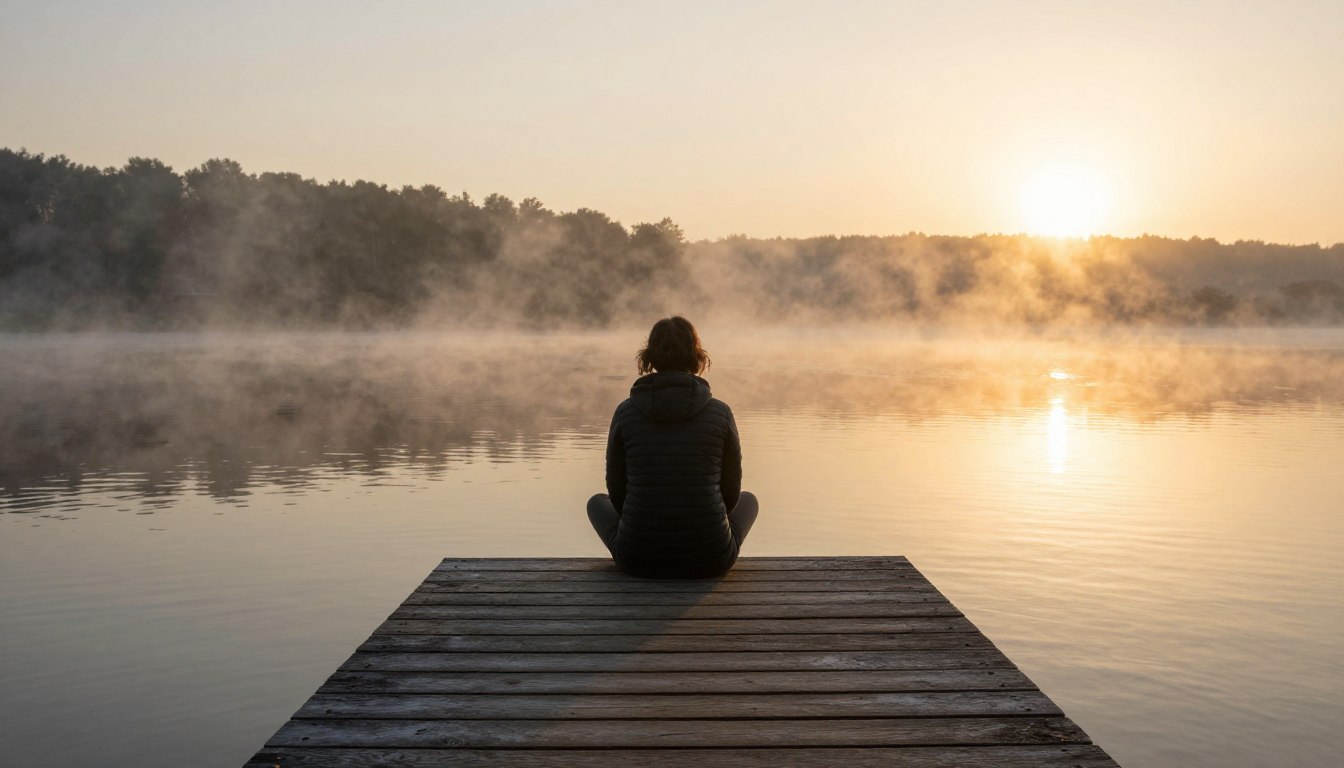
In a world that often celebrates the highlight reel—the perfect sunset shot, the iconic landmark, the enviable check-in—there exists another kind of travel. The kind that doesn’t always photograph well but transforms you in ways that no filtered image ever could. These are the trips that change you, not just your Instagram feed.
These journeys aren’t about ticking boxes or collecting passport stamps. They’re about the subtle shifts that happen when you give yourself permission to slow down, to absorb, to be present. When you trade the frantic pace of seeing everything for the quiet satisfaction of knowing one place deeply.
What Makes a Trip Truly Transformative?
Transformative travel isn’t defined by distance or exotic locations. It’s defined by presence. By the quality of your attention rather than the quantity of your experiences. By the space you create—both physically and mentally—to let a place work its quiet magic on you.
The most meaningful travel experiences often share several key elements:
- Slowness – Allowing yourself to linger, to return to the same places, to develop routines in a new environment.
- Presence – Trading the pressure to document for the freedom to experience.
- Connection – To place, to people, to yourself—connections that require time and openness to develop.
- Space – Mental and emotional room to process, reflect, and integrate what you’re experiencing.
These elements stand in stark contrast to checklist tourism, where success is measured by how many attractions you visit rather than how deeply you connect with any of them. They’re about quality over quantity, depth over breadth.
And while transformative travel can happen anywhere, there’s something special about the small towns and quieter cities of America. Places where the pace naturally slows, where community still matters, where you can feel the rhythms of a place if you stay long enough to notice them.

American Places That Slow You Down
Some destinations seem designed to make you pause, to recalibrate your internal clock to a gentler rhythm. These places don’t demand your attention with flashy attractions. Instead, they invite you to settle in, to notice, to be.
Carmel-by-the-Sea, California
What Makes It Different: In Carmel, there are no street addresses. No mail delivery. No streetlights outside the small downtown. Houses have names instead of numbers. It’s as if the town has collectively decided that some modern conveniences are worth sacrificing for the sake of character and charm.
The Pace & Vibe: Walking is not just encouraged but inevitable in this one-square-mile village. Narrow streets wind between fairytale cottages and secret passageways lead to hidden courtyards. The town has deliberately preserved its village character, making it impossible to rush through.
The Emotional Takeaway: Carmel teaches you that efficiency isn’t always the point. That there’s pleasure in getting slightly lost, in asking for directions, in the human interactions that result when a place prioritizes charm over convenience. You leave with a renewed appreciation for the beauty of small inefficiencies.

Taos, New Mexico
What Makes It Different: Taos exists in multiple time periods simultaneously. The ancient Taos Pueblo has been continuously inhabited for over 1,000 years. Adobe buildings centuries old house contemporary art galleries. The light here—the famous northern New Mexico light that drew artists like Georgia O’Keeffe—transforms the landscape hourly.
The Pace & Vibe: There’s a reverence here for both tradition and creativity. Time feels more circular than linear. The desert landscape and mountain backdrop create a natural container that encourages contemplation rather than consumption.
The Emotional Takeaway: Taos reminds you that we are all just passing through places with histories far longer than our own. It instills a humility and perspective that stays with you long after you leave, making your daily concerns seem appropriately sized.
Marfa, Texas
What Makes It Different: Marfa shouldn’t exist. A world-class art destination in the middle of the Chihuahuan Desert, hours from the nearest airport, it defies logic. Yet here it is—a place where minimalist art installations dot the landscape and the famous Marfa lights dance on the horizon.
The Pace & Vibe: The vastness of the landscape forces a recalibration. Distances are measured in hours, not minutes. The town itself is small enough to walk across in 15 minutes, yet you could spend days exploring its galleries, studios, and architectural gems.
The Emotional Takeaway: Marfa teaches you to question your assumptions about where creativity happens, about the relationship between center and periphery. It leaves you with a expanded sense of possibility—if this can exist here, what else might be possible?

Beaufort, South Carolina
What Makes It Different: Beaufort wears its history visibly but lightly. Antebellum homes line streets draped in Spanish moss. The tidal rhythms of the Lowcountry dictate daily life more than clocks do. There’s a gentleness here, a lived-in quality that makes it feel more like a community than a destination.
The Pace & Vibe: Porches are for sitting, not passing by. Conversations happen unhurriedly. The heat slows everything down in summer, creating natural pauses in the day. Water is everywhere—rivers, marshes, ocean—creating a sense of fluidity and constant, gentle change.
The Emotional Takeaway: Beaufort teaches patience and presence. It reminds you that some of the richest experiences come from simply being still enough to notice the world around you—the changing light on the water, the rhythm of local life, the stories embedded in every historic building.
American Places That Make You Feel Something Deep
Some destinations don’t just slow you down—they crack you open. They confront you with such beauty, such vastness, or such raw natural power that you can’t help but feel something profound. These are places that remind you of your smallness in the best possible way.
Mendocino, California
The Emotional Landscape: Perched on rugged cliffs above the churning Pacific, Mendocino exists in a perpetual state of atmospheric drama. Fog rolls in and out, transforming the landscape hourly. Ancient redwoods stand sentinel just inland. The meeting of land and sea creates a literal edge that translates to an emotional one.
The Rhythms of Place: Life here moves to the rhythm of the tides, the pattern of fog, the migration of whales. The historic water towers that dot the village speak to a time when people lived in closer relationship with natural resources. The artist community that has thrived here for decades responds directly to this dramatic setting.
The Lasting Feeling: Mendocino leaves you with a sense of perspective—both visual and existential. Standing on the headlands, watching waves crash against sea stacks, you feel simultaneously insignificant and intensely alive. It’s a place that reminds you of the power of natural beauty to realign your priorities.

Bar Harbor, Maine
The Emotional Landscape: The meeting of mountain and sea in Acadia National Park creates a rare convergence of natural elements. Granite peaks rise directly from the Atlantic. The light here—particularly at dawn from Cadillac Mountain—has a clarity that feels almost transcendent. The town itself maintains a working harbor alongside its tourist amenities.
The Rhythms of Place: The extreme seasonal shifts create distinct chapters to life here. Summer’s abundance gives way to fall’s spectacular color, then to winter’s stark beauty and isolation. The tide charts dictate when certain experiences are possible, like walking the bar to Bar Island. These natural rhythms impose a welcome structure.
The Lasting Feeling: Bar Harbor instills a respect for natural forces and cycles. It reminds you that some of the most profound experiences come from simply witnessing natural beauty—the first light touching the continent, the stars over the Atlantic, the patterns of tide pools revealed at low tide.
Astoria, Oregon
The Emotional Landscape: Positioned where the Columbia River meets the Pacific, Astoria embodies transition and convergence. The massive bridge spanning the river, the Victorian houses climbing the steep hills, the working waterfront—all speak to the human relationship with powerful natural forces.
The Rhythms of Place: The near-constant rain creates a particular quality of light—soft, diffused, introspective. The Columbia Bar—known as the Graveyard of the Pacific—reminds visitors of nature’s power. The fishing industry, though diminished, still provides a connection to older ways of life and sustenance.
The Lasting Feeling: Astoria leaves you with an appreciation for liminal spaces—the places where one thing becomes another. River to ocean, past to present, working town to tourist destination. It teaches you to find beauty in transition and impermanence.

Sitka, Alaska
The Emotional Landscape: Sitka presents an almost overwhelming convergence of natural elements—mountains dropping directly into the sea, an archipelago of islands creating a complex waterscape, abundant wildlife from eagles to whales. The Russian and Tlingit cultural influences add layers of human history to this dramatic setting.
The Rhythms of Place: The extreme seasonal shifts in daylight hours create a heightened awareness of light and time. The dependence on boats and planes for connection to the outside world reinforces the sense of remoteness. Wildlife sightings—a whale breaching, a bear fishing—punctuate daily life with moments of awe.
The Lasting Feeling: Sitka instills a profound humility in the face of natural forces. It reminds you that humans are just one species among many, living at the mercy of larger patterns and cycles. This perspective shift can be deeply liberating, freeing you from self-importance and reconnecting you to something larger.
American Places That Redefine “Enough”
Some destinations challenge our notions of what constitutes a rich, full life. They show us that abundance can come in many forms beyond material wealth or constant stimulation. These places embody a different kind of prosperity—one based on community, seasonality, and a deep sense of place.
Fredericksburg, Texas
The Philosophy of Place: This Hill Country town with its German heritage has maintained a distinct cultural identity while evolving thoughtfully. Historic limestone buildings house contemporary businesses. Wineries and peach orchards dot the surrounding countryside. There’s a palpable pride in local products and traditions.
The Daily Rhythms: The compact, walkable downtown encourages a pedestrian pace. Seasonal shifts are celebrated rather than merely endured—wildflower season, peach season, grape harvest. The German tradition of gemütlichkeit—a sense of warmth, friendliness, and good cheer—infuses daily interactions.
The Lesson It Teaches: Fredericksburg demonstrates that cultural distinctiveness is worth preserving, that traditions can evolve without being lost. It shows that a town can welcome visitors while maintaining its soul, that prosperity doesn’t have to mean homogenization.

Bisbee, Arizona
The Philosophy of Place: Built into the steep walls of Tombstone Canyon, this former mining town has reinvented itself as an artist haven and counterculture outpost. Victorian architecture clings improbably to hillsides. Staircases rather than streets connect many parts of town. There’s a defiant creativity here, a making-do with what’s available.
The Daily Rhythms: Life in Bisbee requires physical engagement—climbing the town’s many stairs, navigating narrow streets, dealing with the realities of desert living. The elevation creates a microclimate cooler than the surrounding desert. The town’s isolation has preserved its character while forcing a certain self-sufficiency.
The Lesson It Teaches: Bisbee shows that decline can lead to renaissance, that constraints can foster creativity. It demonstrates how a community can write a new chapter while honoring its history, how limitations can become defining features rather than obstacles.
Stowe, Vermont
The Philosophy of Place: Nestled beneath Mount Mansfield, Stowe embodies a distinctly New England approach to life—practical, seasonal, appreciative of simple pleasures. The white church steeple, covered bridges, and working farms create a landscape that feels both iconic and authentic.
The Daily Rhythms: The extreme seasonal shifts create natural chapters to the year. Winter brings snow sports and cozy evenings. Spring’s mud season enforces a period of patience. Summer offers hiking and outdoor concerts. Fall’s foliage creates a spectacular finale before the cycle begins again.
The Lesson It Teaches: Stowe reminds us that seasonal living connects us to natural cycles in a way that’s increasingly rare. It shows that embracing rather than fighting these cycles—the dormancy of winter, the renewal of spring—can create a more sustainable and satisfying rhythm to life.

Greenville, South Carolina
The Philosophy of Place: Greenville has transformed itself from a textile town in decline to a model of thoughtful urban revitalization. The decision to uncover and feature the Reedy River Falls—once hidden beneath a highway bridge—symbolizes the city’s commitment to revealing rather than concealing its natural assets.
The Daily Rhythms: The pedestrian-friendly downtown encourages walking and lingering. The 22-mile Swamp Rabbit Trail connects neighborhoods and provides a spine for active transportation. The mild climate allows for outdoor living much of the year, with seasonal festivals marking the calendar.
The Lesson It Teaches: Greenville demonstrates that growth and change can honor rather than erase history. It shows how public spaces—parks, plazas, trails—create the conditions for community to flourish. It offers a model of a mid-sized city that’s maintained its distinct character while evolving.
How to Travel These Places Differently
Experiencing these transformative destinations requires a different approach than conventional tourism. It means trading the pressure to see everything for the pleasure of knowing one place deeply. Here’s how to travel in a way that invites meaningful change:
- Stay longer in fewer places. Give yourself time to develop routines, to become a temporary local, to watch the light change throughout the day in the same location.
- Do less, not more. Resist the urge to fill every moment with activity. Leave room for serendipity, for the unexpected encounters that often become the most meaningful memories.
- Walk whenever possible. Moving at human speed allows you to notice details, to feel the topography of a place, to encounter others in a way that’s impossible from behind a windshield.
- Build your days around natural rhythms. Let sunrise, sunset, mealtimes, and weather patterns structure your experience rather than a rigid itinerary.
- Create space for reflection. Whether it’s a morning journal session at a local café or an evening walk to process the day’s experiences, intentional reflection helps integrate what you’re experiencing.

This approach to travel requires letting go of certain expectations—particularly the pressure to “make the most” of every moment. Instead, it invites you to redefine what “making the most” actually means. Perhaps it’s not about quantity of experiences but quality of attention. Not about covering distance but about going deep.
It also means accepting that meaningful travel isn’t always comfortable. Transformation often happens at the edges of our comfort zones—in the moments of confusion, frustration, or unexpected emotion that arise when we’re truly engaging with a place rather than just passing through it.
A Simple Packing List for a Mindful Journey
What you bring shapes how you travel. This curated list focuses on items that support presence, reflection, and connection rather than distraction or convenience at all costs.
- A durable, comfortable daypack – Something that distributes weight evenly for long walks of exploration without calling attention to itself. Osprey Daylite Plus Daypack
- A refillable water bottle – Stay hydrated while reducing waste and connecting you to the basic rhythms of thirst and sustenance. Hydro Flask Standard Mouth Water Bottle
- A quality journal and pen – For capturing observations, processing experiences, and creating space for reflection away from screens. Leuchtturm1917 Medium Dotted Hardcover Notebook
- Comfortable walking shoes – Because experiencing a place at human speed requires happy feet. Allbirds Wool Runners
- A lightweight rain layer – Weather becomes part of the experience rather than an obstacle when you’re prepared for it. MARMOT Waterproof Rain Jacket Lightweight, Packable Raincoat
Jacket - A compact guidebook – Focused on history and context rather than just attractions, offering deeper understanding of place. Moon USA National Parks Guidebook
- A portable power bank – For keeping your phone charged for photos and navigation, not constant social media updates. Anker PowerCore 10000 Portable Charger
- A small sketchbook – Even if you’re not an artist, drawing slows your observation and connects you more deeply to what you’re seeing. Strathmore 400 Series Sketch Pad

The Journey That Stays With You
The most meaningful trips don’t always make the best social media posts. They’re often too subtle, too personal, too nuanced to be captured in a caption or conveyed in a quick scroll. They’re the trips that work on you slowly, that continue to unfold long after you’ve returned home.
These journeys change you not because they’re exotic or exclusive, but because they create the conditions for you to see differently—to notice what you normally miss, to question what you normally accept, to appreciate what you normally take for granted.
As you consider your next destination, perhaps ask yourself not where you want to go, but how you want to feel. Not what you want to see, but what you want to notice. Not what you want to do, but who you want to be while you’re there.
Because the most valuable souvenirs aren’t the ones you can pack in your suitcase. They’re the new perspectives, the quiet revelations, the subtle shifts in how you see the world and your place in it. These are the trips that change you—not just your Instagram.

Continue Your Journey
Sign up for our monthly newsletter featuring reflective travel guides, thoughtful essays on place and presence, and curated resources for meaningful journeys.
I may earn a small commission from purchases as an Amazon Affiliate.