
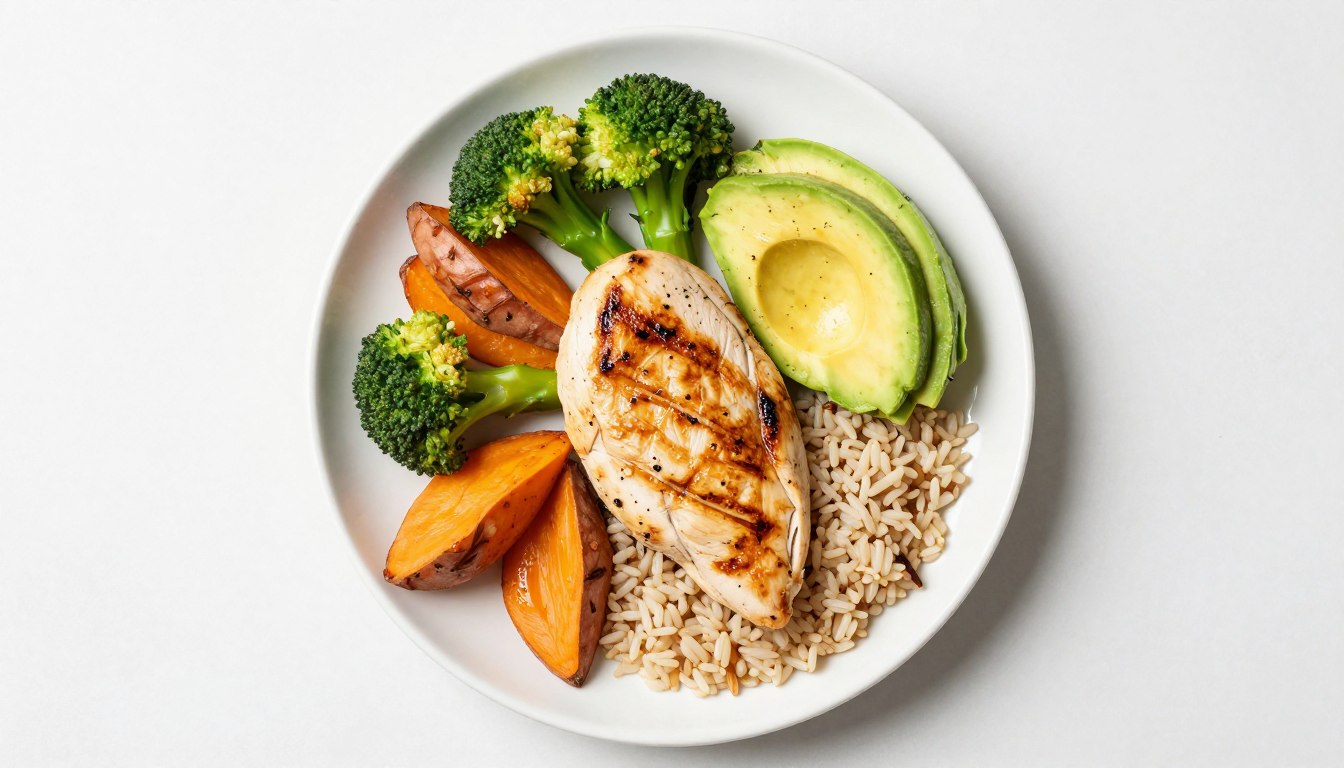
There was a time when I thought eating healthy meant eating less. I’d skip breakfast, have a sad salad for lunch, and wonder why I felt exhausted every day by three in the afternoon. Now I know it means eating in a way that actually supports my body, especially in midlife.
The energy dips hit differently now. The cravings feel more intense. And those hormone shifts? They’re real, and they affect everything from my mood to my metabolism.
What I’m sharing today isn’t a perfect day of eating. It’s a realistic one built around protein, fiber, and healthy fats to support energy and hormones. This is what works for me, and it might give you some ideas for your own meals.
Important Disclaimer: I’m not a doctor or nutritionist. This is not medical advice. I’m simply sharing what has worked for me personally. Please consult with your healthcare provider before making any significant changes to your diet, especially if you have specific health conditions.
Affiliate Disclosure: This article contains Amazon affiliate links. If you purchase products through these links, I may earn a small commission at no additional cost to you. I only recommend products I personally use and believe in.
Why What You Eat Matters More in Midlife

Your body changes as you move through your thirties and into your forties and fifties. I noticed it gradually, then all at once. Suddenly, the same foods I’d eaten for years started affecting me differently.
Hormones impact metabolism in ways we don’t always recognize right away. Estrogen and progesterone fluctuations affect how your body processes food, stores fat, and regulates energy. This is part of life, not something to fight against.
Blood sugar stability becomes more important during this time. When blood sugar spikes and crashes, it triggers cortisol release. Higher cortisol affects everything from sleep quality to belly fat storage. It’s all connected.
Protein needs actually increase as we age. Your body requires more protein to maintain muscle mass, support metabolism, and keep you feeling satisfied between meals. I learned this the hard way after months of feeling constantly hungry.
Stress and cortisol affect energy and cravings more intensely now. When cortisol stays elevated, you crave sugar and simple carbs. Your body thinks it needs quick energy to handle the perceived threat.

Balanced meals help stabilize energy throughout the day. When you eat protein, fiber, and healthy fats together, your blood sugar stays more stable. No more three o’clock crashes.
These same balanced meals reduce cravings. Protein and fiber keep you full. Healthy fats support hormone production. Your body feels nourished instead of deprived.
Supporting hormone health through food improves mood and mental clarity. I noticed I felt less irritable and more focused when I started eating this way. The fog lifted.
This isn’t about perfection. It’s about understanding what your body needs and doing your best most of the time. Some days are better than others, and that’s completely normal.
My Simple Approach to Eating for Hormone Support

I don’t overcomplicate it. After trying countless diet plans and restrictive eating patterns, I finally landed on something that actually works. Three simple components form the foundation of every meal I eat.
Protein supports muscle, metabolism, and satiety. It’s the anchor of every meal. Without enough protein, I’m hungry an hour later and reaching for snacks that don’t serve me.
Fiber supports gut health and hormones. Your gut processes and eliminates excess hormones. When your digestive system works well, everything else follows. Fiber also slows down sugar absorption.
Anti-inflammatory fats support hormones and brain health. Your body makes hormones from fat. Cutting fat too low disrupts hormone production. I learned this after months of low-fat eating left me exhausted.

Every meal includes these three things. Breakfast might be Greek yogurt with berries and nuts. Lunch could be leftover chicken with roasted vegetables and olive oil. Dinner might feature salmon with sweet potato and avocado.
I don’t measure everything obsessively. I aim for a palm-sized portion of protein, two fists of vegetables or fiber-rich foods, and a thumb of healthy fat. This visual approach makes eating out easier too.
The beauty of this framework is its flexibility. You can apply it to any cuisine or dietary preference. It works whether you eat meat or follow a plant-based diet. The principles remain the same.
What I Eat in a Day: Breakfast

Breakfast sets the tone for my entire day. Starting with high protein keeps my blood sugar stable and prevents mid-morning crashes. I rotate between a few favorite options depending on my schedule and what sounds good.
Greek yogurt with berries is my go-to on busy mornings. I use full-fat Greek yogurt because it keeps me fuller longer. The protein content is significantly higher than regular yogurt, and the probiotics support gut health.

High-Protein Greek Yogurt
This is the Greek yogurt I keep stocked in my refrigerator. It has more protein than most brands and the texture is incredibly thick and creamy. I add fresh or frozen berries, a handful of nuts, and sometimes a drizzle of honey.
The protein keeps me satisfied until lunch, and the probiotics support digestive health, which matters for hormone balance.
Protein shakes work well when I need something quick. I blend protein powder with frozen fruit, spinach, and almond milk. It takes less than five minutes and gives me energy for hours.

Hormone-Supporting Protein Powder
I’ve tried many protein powders, and this one actually tastes good mixed with just water or milk. It’s specifically formulated to support women’s nutritional needs with added vitamins and minerals.
One scoop gives me twenty-five grams of protein. I blend it with frozen berries, a handful of spinach, and unsweetened almond milk. Sometimes I add a tablespoon of almond butter for extra healthy fat.
Eggs with avocado is my weekend breakfast. Two or three eggs scrambled in a bit of butter, served with half an avocado and maybe some sautéed vegetables. This combination keeps me full for hours.

Coffee is part of my morning routine. I drink it black or with a splash of milk. I avoid adding sugar because I want to maintain stable blood sugar from my breakfast, not spike it with sweetened coffee.
Why this approach works: high protein starts provide sustained energy. Your body digests protein slowly, releasing energy gradually instead of spiking and crashing. This supports blood sugar stability from the very beginning of your day.
The combination of protein and healthy fat helps avoid mid-morning crashes. I used to grab a muffin or bagel and feel ravenous by ten in the morning. Now I make it to lunch easily.

Omega-3 Supplement
I take this with breakfast every day. Omega-3 fatty acids support brain health, reduce inflammation, and play a crucial role in hormone production. Since I don’t eat fish every single day, supplementing ensures I get enough.
This particular brand is third-party tested for purity and doesn’t have that fishy aftertaste that some supplements leave.
What I Eat in a Day: Lunch

Lunch is usually leftovers from the night before. This makes my life easier and ensures I actually eat a balanced meal instead of grabbing whatever is convenient. I cook extra protein at dinner specifically for this purpose.
Leftover protein might be chicken, steak, or salmon. I aim for four to six ounces, roughly the size of my palm. This amount keeps me satisfied without feeling overly full.
Vegetables make up a large portion of my lunch. Roasted vegetables, raw salad greens, or steamed broccoli all work. The fiber fills me up and supports digestive health. I don’t fear vegetables like I used to.

Rice or potatoes provide energy for the afternoon. I used to avoid carbs completely, thinking they were the enemy. Now I understand that complex carbohydrates support energy levels and even help with sleep when eaten earlier in the day.
White rice is easier on my digestive system than brown rice. Some people do better with sweet potatoes. Your body will tell you what works if you pay attention.
Why this approach works: balanced macros mean I get protein, fiber, and carbohydrates in appropriate amounts. This combination provides sustained energy without the afternoon slump.
The fiber and protein combo keeps me full until dinner. I’m not snacking constantly or thinking about food all afternoon. My energy stays stable, and my focus improves.

Premium Extra Virgin Olive Oil
I drizzle this over my vegetables and use it for cooking. Quality matters with olive oil. This one is cold-pressed and has a rich, fruity flavor that makes even simple vegetables taste amazing.
Olive oil is packed with anti-inflammatory compounds and healthy fats that support hormone production. I use it generously and don’t worry about the calories because the fat keeps me satisfied.
Water intake matters during lunch too. I drink water throughout my meal and aim for at least two glasses. Staying hydrated supports every function in your body, from digestion to energy production.

Glass Meal Prep Containers
These containers changed my lunch game. I prep several lunches at once on Sunday, and having these ready in the refrigerator means I actually eat the healthy meals I planned instead of ordering takeout.
The glass is microwave-safe and doesn’t retain odors or stains like plastic. The locking lids prevent spills. Meal prep became so much easier with the right tools.
What I Eat in a Day: Dinner

Dinner is when I can slow down and actually enjoy my food. I focus on getting quality protein, plenty of vegetables, and healthy fats. This meal supports recovery overnight and helps me sleep better.
Protein might be chicken, fish, or beef. I rotate between different sources throughout the week to get a variety of nutrients. Salmon provides omega-3 fatty acids. Grass-fed beef offers iron and B vitamins. Chicken is versatile and easy.
Roasted vegetables make up at least half my plate. Brussels sprouts, carrots, bell peppers, asparagus—whatever is in season or on sale. Roasting brings out natural sweetness and makes vegetables genuinely enjoyable.

Healthy fat comes from olive oil drizzled over vegetables, avocado slices, or butter used for cooking. Fat makes food taste better and supports hormone production. I stopped fearing fat years ago.
Sometimes I include a small portion of sweet potato or quinoa. Other nights, vegetables and protein are enough. I listen to my body and adjust based on how hungry I feel and what I did that day.
Why this approach works: these combinations are deeply satisfying. When you include protein, fiber, and fat, your body feels nourished. You’re not left wanting more or searching the kitchen an hour later.
Nutrient-dense meals support recovery and sleep. Your body repairs itself overnight. Giving it quality building blocks helps that process. I noticed my sleep improved when I started eating this way.

Cooking at home most nights makes a significant difference. Restaurant meals often contain excess salt, sugar, and inflammatory oils. Home cooking lets you control exactly what goes into your body.

Cast Iron Skillet
This skillet gets used almost every night. Cast iron distributes heat evenly and develops a natural non-stick surface over time. I use it for everything from searing salmon to roasting vegetables.
Cooking with cast iron also adds a small amount of iron to your food, which matters for women who may be low in this mineral. It’s a kitchen tool that will last a lifetime.
I try to finish dinner at least three hours before bed. This gives my body time to digest before sleep. Late-night eating used to disrupt my sleep quality significantly.
What I Eat in a Day: Snacks

I don’t always need snacks anymore. When I eat balanced meals with enough protein and fat, I can go hours without feeling hungry. But some days require an extra boost, especially if I work out or have a particularly long afternoon.
Protein shakes work as snacks too. A smaller portion than breakfast, maybe half a scoop of protein powder blended with ice and almond milk. Quick, easy, and keeps hunger at bay.

Clean Protein Bars
I keep these in my bag for emergencies. They have simple ingredients I can actually pronounce and provide fifteen grams of protein per bar. The texture is more like a homemade energy bar than overly processed protein bars.
These save me from making poor choices when I’m genuinely hungry and away from home. Having a healthy option available makes all the difference.
Cottage cheese is an underrated snack. High in protein, low in sugar, and surprisingly versatile. I eat it plain, with berries, or with cucumber and everything bagel seasoning for a savory option.

Nuts provide healthy fat and protein. A small handful of almonds or cashews satisfies cravings without spiking blood sugar. I portion them into small bags so I don’t mindlessly eat an entire container.

Natural Almond Butter
This almond butter has one ingredient: almonds. No added sugar or oils. I spread it on apple slices or eat a spoonful straight from the jar when I need quick energy and healthy fat.
The combination of protein, healthy fat, and fiber makes it incredibly satisfying. A little goes a long way in curbing sweet cravings.
Fruit with protein makes a balanced snack. An apple with almond butter. Berries with a handful of nuts. Banana slices with peanut butter. The protein slows down sugar absorption from the fruit.
Yogurt remains a good option outside of breakfast too. Greek yogurt with a drizzle of honey satisfies sweet cravings while providing protein. It feels like a treat but supports my nutrition goals.
The focus stays protein-forward. Every snack I choose includes protein as the main component. This keeps blood sugar stable and prevents the snack from turning into a sugar crash situation.
These snacks aren’t overly restrictive. I’m not measuring every almond or stressing about exact portions. The goal is to feel satisfied and energized, not to follow rigid rules that make eating stressful.

Pre-Portioned Mixed Nuts
These individual packs solved my nut-eating problem. I used to eat way too many nuts at once because I’d snack straight from the container. These portions keep me in check while still providing healthy fats and protein.
They’re perfect for keeping in my desk drawer or car. The variety of nuts ensures I get different minerals and vitamins.
The Role of Protein in Midlife

Protein became my secret weapon for feeling better in midlife. I spent years under-eating protein without realizing it. Once I increased my intake, everything changed.
Protein supports muscle maintenance. After age thirty-five, you start losing muscle mass if you don’t actively work to maintain it. Muscle supports metabolism. Less muscle means slower metabolism.
Adequate protein helps metabolism stay active. Your body burns more calories digesting protein than it does digesting carbohydrates or fat. This isn’t about restricting calories; it’s about supporting your body’s natural processes.

Protein keeps you full longer. This was the biggest game-changer for me. When I eat enough protein, I don’t think about food constantly. The endless snacking stopped.
Higher protein intake reduces cravings significantly. Your blood sugar stays stable. Your hormones that regulate hunger work properly. You stop experiencing intense cravings for sugar and simple carbs.
My macro goals aim for about 100 to 120 grams of protein daily. This sounds like a lot if you’re used to eating much less. It requires intentional planning but becomes automatic over time.
Real-life experience taught me that spreading protein throughout the day works better than loading it all into dinner. Twenty-five to thirty grams at breakfast, similar amounts at lunch and dinner, and protein-focused snacks fill in the gaps.

Quality matters as much as quantity. Whole food protein sources provide vitamins and minerals along with the protein. Greek yogurt offers probiotics. Salmon provides omega-3 fatty acids. Eggs contain choline for brain health.
I noticed better energy levels within two weeks of increasing protein. The afternoon crashes disappeared. My workouts improved. Recovery from exercise happened faster.
Why Fiber Is a Game-Changer

Fiber doesn’t get enough attention in nutrition conversations. People focus on protein and fat, but fiber quietly does incredible work in your body, especially for hormone health.
Fiber supports gut health in multiple ways. It feeds beneficial bacteria in your digestive system. These bacteria produce compounds that reduce inflammation and support immune function.
Your gut helps with hormone detoxification. Excess estrogen gets processed through your liver and eliminated through your digestive system. Without adequate fiber, these hormones can be reabsorbed instead of eliminated.

Fiber stabilizes blood sugar by slowing down how quickly glucose enters your bloodstream. When you eat fiber with carbohydrates, you avoid the spike and crash cycle. Energy stays more consistent.
I aim for at least twenty-five to thirty grams of fiber every day. This comes naturally from eating plenty of vegetables, some fruit, and occasional whole grains or legumes.
Vegetables provide fiber along with vitamins, minerals, and antioxidants. Brussels sprouts, broccoli, and cauliflower are particularly high in fiber. Leafy greens offer different benefits with lower calories per volume.

Fruits offer fiber wrapped in natural sweetness. Berries are particularly high in fiber relative to their sugar content. Apples and pears with their skin provide good amounts. I eat fruit but don’t overdo it.
Whole grains like quinoa, brown rice, and oats provide fiber along with complex carbohydrates. I rotate these into meals but don’t make them the focus. Vegetables take priority.
Legumes including beans, lentils, and chickpeas are fiber powerhouses. They also provide plant-based protein. I add them to salads or eat hummus as a snack with vegetables.
Increasing fiber too quickly can cause digestive discomfort. I learned this the hard way. Add fiber gradually and drink plenty of water to help your system adjust.
The combination of fiber and protein in meals creates the most stable energy. This pairing became my foundation for every meal and snack decision.
Anti-Inflammatory Fats for Hormone Health

Fat was demonized for decades. We were told to eat low-fat everything. Now we understand that healthy fats are essential, especially for women’s hormone health.
Your body makes hormones from fat. Cutting fat too low disrupts hormone production. I experienced this firsthand when I tried a very low-fat diet and my cycle became irregular.
Olive oil is my primary cooking and finishing fat. I use extra virgin olive oil for its anti-inflammatory properties. It contains polyphenols that reduce inflammation throughout your body.

Avocado provides creamy texture and satisfying fat. Half an avocado with breakfast or lunch keeps me full for hours. The fat slows digestion and provides steady energy.
Nuts and seeds offer fat along with protein and minerals. Almonds, walnuts, flaxseeds, and chia seeds all contribute different nutrients. I rotate through various types throughout the week.

Raw Mixed Nuts
I buy these in bulk and portion them myself. Raw nuts retain more of their beneficial nutrients compared to roasted versions. The variety ensures I get different minerals including magnesium, which supports hormone balance.
A small handful daily provides healthy fats without overdoing calories. I add them to yogurt, salads, or just eat them plain.
Fatty fish like salmon, mackerel, and sardines provide omega-3 fatty acids. These specific fats reduce inflammation and support brain health. I try to eat fatty fish at least twice per week.
Brain health depends on adequate fat intake. Your brain is largely made of fat. Omega-3s support cognitive function, mood regulation, and memory. I noticed mental clarity improved when I increased healthy fats.

Hormone production requires cholesterol and fat. This doesn’t mean eating unhealthy fats. It means including appropriate amounts of quality fats from whole food sources.
Reducing inflammation supports overall health. Chronic inflammation contributes to hormone imbalance, weight gain, and numerous health issues. Anti-inflammatory fats help counteract inflammatory foods and stress.
I don’t fear fat anymore. I include it intentionally in every meal. My skin looks better. My hair feels healthier. My energy stays more stable. Fat is my friend now.
What I’ve Stopped Doing

My journey to better health involved learning what not to do as much as what to do. Letting go of harmful patterns made space for helpful ones.
Skipping meals seemed like a good weight management strategy. It wasn’t. Skipping meals slowed my metabolism, increased cravings, and made me irritable. Regular meals work better.
Under-eating protein kept me in a constant state of hunger. I thought lean meant low-protein. Now I prioritize protein at every meal and feel infinitely better.
Fearing carbs made me tired and miserable. Carbohydrates aren’t the enemy. Refined sugar and processed carbs are different from sweet potatoes and rice. Complex carbs support energy and sleep.

Overly restricting any food group always backfired. Restriction leads to obsession. I’d avoid something completely, then binge on it later. Balance works better than extremes.
Chasing perfect diets wasted years of my life. I tried every trending diet plan. Each one promised to be the answer. None were sustainable. This flexible approach actually works long-term.
Weighing myself daily created unnecessary stress. The number on the scale fluctuates for many reasons unrelated to fat loss. How my clothes fit and how I feel matter more.

Eating when not hungry out of habit or schedule made me disconnected from my body. Now I eat when genuinely hungry and stop when satisfied, not stuffed.
Comparing my eating to others created confusion. What works for someone else might not work for me. My body has specific needs based on my hormones, activity level, and health history.
Letting go of these patterns felt scary initially. Diet culture runs deep. But freedom on the other side is worth the discomfort of change.
What I’ve Noticed Since Eating This Way

The changes didn’t happen overnight. Gradual improvements accumulated over weeks and months. Looking back, the transformation feels significant.
More stable energy throughout the day changed everything. No more three o’clock crashes. No more desperate need for caffeine in the afternoon. Steady energy from morning through evening.
Fewer cravings meant I stopped thinking about food constantly. The mental space freed up when you’re not obsessing over your next meal or fighting cravings is remarkable.

Better mood regulation surprised me. I didn’t realize how much blood sugar fluctuations affected my emotional state. Stable blood sugar means more stable moods.
Improved focus and mental clarity made work easier. Brain fog lifted. Concentration improved. Tasks that used to drain me became manageable.
Feeling fuller longer eliminated constant snacking. When meals are properly balanced, you don’t need to eat every two hours. This simplifies life significantly.
I feel more supported by my food instead of fighting against it. Food became fuel and medicine rather than something to control or resist. This shift in perspective changed my entire relationship with eating.

Sleep quality improved gradually. Balanced evening meals that don’t spike blood sugar support better sleep. I wake up feeling more rested.
Digestion works better now. Adequate fiber, hydration, and whole foods support regular digestive function. This affects everything from energy to skin clarity.
My clothes fit more consistently. Weight fluctuations decreased. My body found its natural set point when I stopped restricting and started nourishing.
These benefits reinforce the approach. When you feel better, you want to continue the habits that support feeling good. Positive feedback loops replaced negative restriction cycles.
If You Want to Start Simple

You don’t need to overhaul everything at once. Small changes create lasting results. Start where you are with what feels manageable.
Add protein to breakfast if you currently skip it or eat only carbohydrates. This single change can shift your entire day. Start with Greek yogurt, eggs, or a protein shake.
Build balanced plates at lunch and dinner. Use the simple framework: palm-sized protein, two fists of vegetables, thumb of healthy fat. You don’t need exact measurements or calorie counting.

Don’t overhaul everything at once. Pick one meal to focus on initially. Master breakfast before worrying about the rest of your day. Build habits gradually.
Focus on consistency over perfection. Eating this way most of the time brings results. Occasional treats or off-plan meals don’t derail progress. Life happens, and that’s okay.
Listen to your body instead of rigid rules. Some days you’ll be hungrier. Some days certain foods won’t appeal. Your body provides feedback if you pay attention.

Track how foods make you feel rather than just calories. Notice energy levels after meals. Pay attention to which foods satisfy you and which leave you wanting more shortly after.
Give changes time to work. Your body needs weeks, not days, to adjust to new eating patterns. Hormones take time to rebalance. Be patient with the process.
Find what works for your specific situation. Your schedule, budget, food preferences, and health needs are unique. Adapt these principles to fit your life rather than forcing your life to fit a rigid plan.

Simple Meal Planning Guide
This guide helped me when I was first learning to build balanced meals. It includes simple recipes, shopping lists, and meal prep strategies that don’t require hours in the kitchen.
The recipes focus on whole foods and balanced macros without complicated techniques or hard-to-find ingredients. It made the transition so much easier.
Support helps. Whether it’s a friend also working on nutrition, an online community, or a healthcare provider, having support makes change easier. You don’t have to do this alone.
A Gentle Reminder About Food & Wellness

Perfection isn’t required. You don’t need to eat perfectly to see benefits. Progress matters more than perfection. Some days will be better than others.
Flexibility matters for long-term success. Rigid rules create rebellion. Allowing flexibility within a general framework creates sustainability. Life includes celebrations, travel, and spontaneity.
Sustainability beats extremes every time. Any approach you can’t maintain for years isn’t worth starting. Find a middle ground that supports your health without making you miserable.

The goal isn’t to eat perfectly. It’s to eat in a way that supports your life, energy, and long-term health. Food should enhance your life, not dominate it.
Your body deserves nourishment, not restriction. After years of dieting, this mindset shift feels revolutionary. You’re worthy of eating satisfying, delicious food that also supports your health.
Be kind to yourself through this process. Learning new patterns takes time. Mistakes and setbacks happen. They’re part of growth, not evidence of failure.

Wellness extends beyond food. Sleep, stress management, movement, and community all contribute to feeling good. Nutrition is one piece of a larger picture.
Trust the process even when results feel slow. Hormones don’t shift overnight. Your body needs time to heal and rebalance. Consistency over time creates lasting change.
You’re doing better than you think. If you’re here reading this and considering changes, you’re already on the right path. Small steps forward still move you in the right direction.
Bringing It All Together

Food is a tool for supporting your body, not something to fight against or control obsessively. This shift in perspective changed everything for me.
Midlife is about working with your body, not against it. Your nutritional needs change. Your hormones shift. Adapting your eating to support these changes makes this transition smoother.
Simple habits create lasting change more effectively than dramatic overhauls. Adding protein to breakfast. Building balanced plates. Choosing whole foods most of the time. These simple actions compound over weeks and months.
This isn’t the only way to eat. It’s what works for me. Your perfect approach might look different. Take what resonates and leave what doesn’t. Your body will guide you if you listen.

You don’t need perfect compliance to feel better. Small improvements in how you nourish yourself create ripple effects throughout your health and wellbeing.
The journey continues. I’m still learning and adjusting. Some weeks are easier than others. Progress isn’t linear, and that’s completely normal.
Your midlife years can be your best years. Supporting your body with proper nutrition, adequate sleep, stress management, and joyful movement creates a foundation for thriving, not just surviving.

What’s Your Next Step?
I’d love to hear from you. What’s one thing you’re adding to your meals this week? Maybe it’s protein at breakfast. Perhaps it’s more vegetables at lunch. Or possibly just drinking more water throughout the day.
Small changes create momentum. Start where you are with what feels doable. Progress over perfection, always.
Save this for simple, balanced meal inspiration when you need ideas. Come back to it when you’re feeling overwhelmed by conflicting nutrition information. Use it as a starting point for your own journey.
Follow along for more gentle wellness in midlife. Real food. Real life. Real results. No extremes, just sustainable practices that support feeling good in your body.